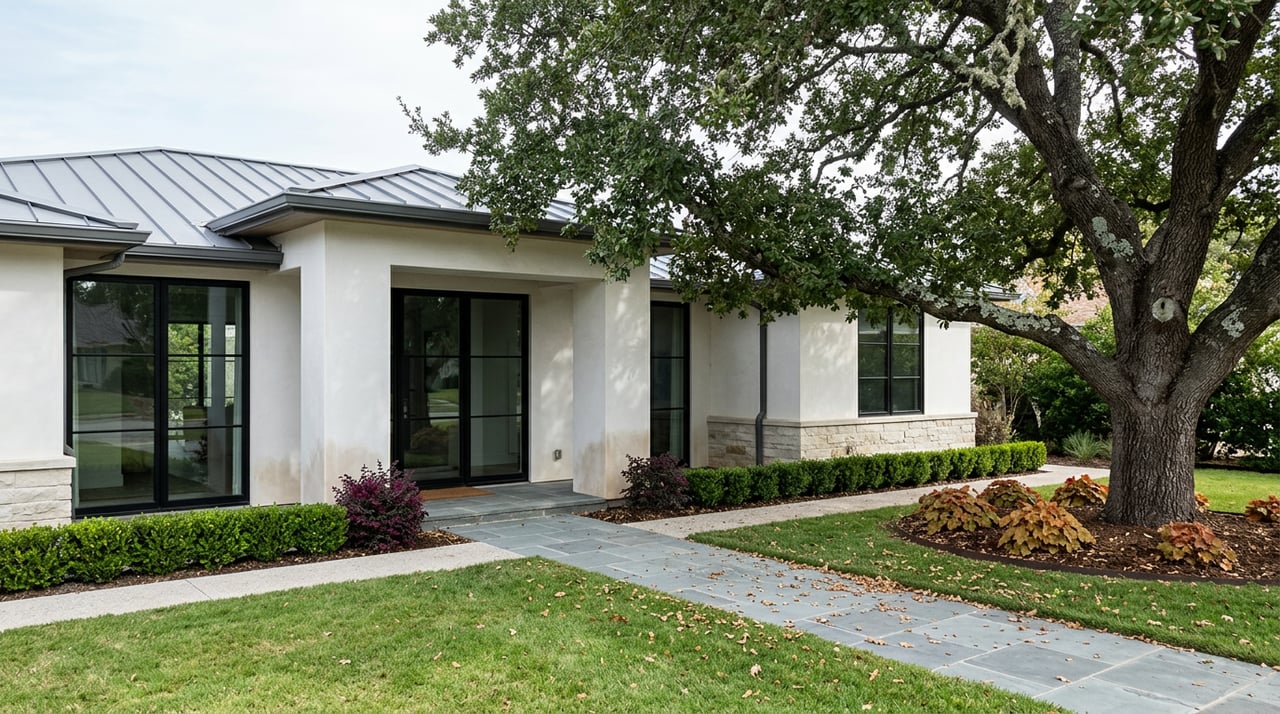
Atherton Heritage Tree Ordinance: What Your Lot Can Support
September 24, 2026
September 24, 2026
According to Citizen Portal, at a Planning Commission hearing in the spring of 2025, a homeowner requested permission to remove two coast live oaks and three Trident maples from a property with multiple heritage trees. The town arborist had reviewed the request and found reason to support removing one oak, citing documented foundation impacts. She found no comparable evidence for the other four trees and recommended against taking the maples.
The commission approved all five removals.
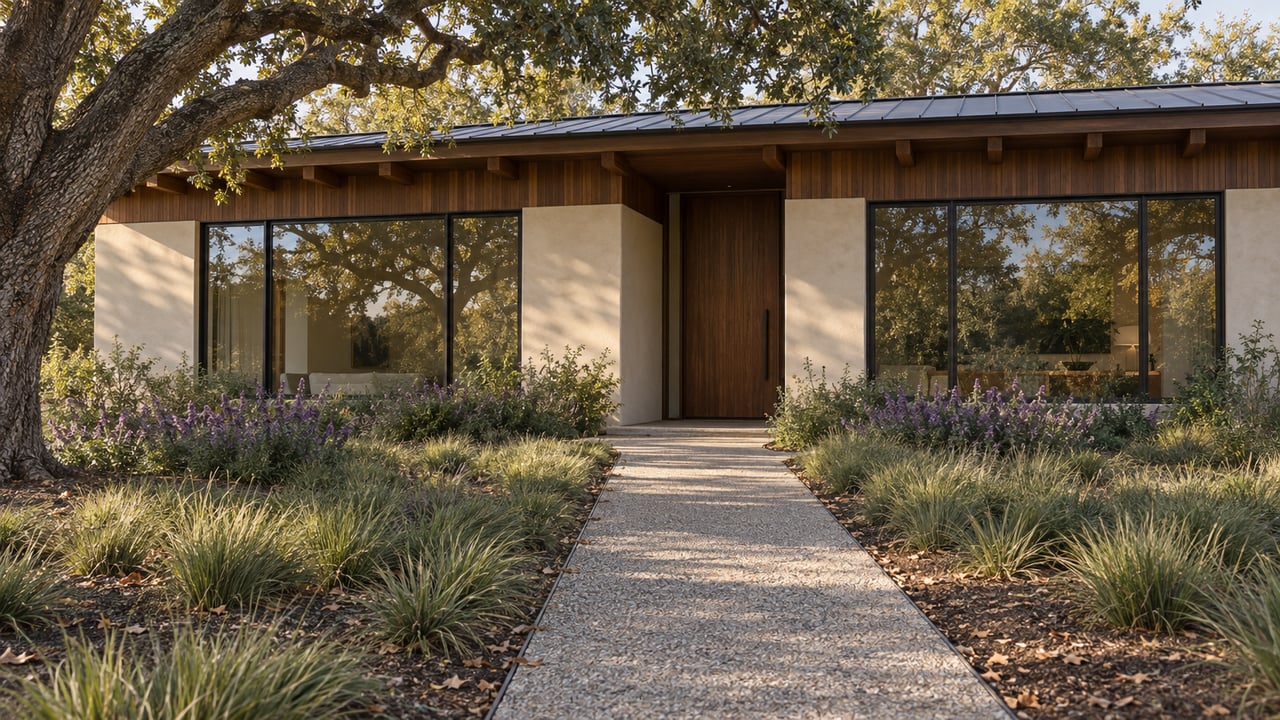
That single hearing captures something that doesn't show up on a listing sheet, a title report, or a builder's estimate. In Atherton, the line that actually determines where you can build is not the property line on the deed. It's the line drawn by a heritage tree's protection zone, and that line gets redrawn, tree by tree, in front of the Planning Commission. If you're buying, selling, or planning a renovation on a wooded Atherton lot, the size of your buildable footprint is not a fixed number. It's a decision that hasn't been made yet.
Atherton's Chapter 8.10 protects every native oak on a property regardless of size or location. According to Custom Home, non-oak species get protection too, once their trunk circumference reaches 48 inches (roughly 15.2 inches in diameter) measured 54 inches above grade, but only when they sit within a setback area. Once a tree qualifies, construction activity within its Tree Protection Zone, generally set at eight times the trunk's diameter, is restricted before a shovel goes in the ground. Grading, trenching, root cutting over two inches, and paving more than half the area under the canopy all require a review and sign-off from the Town Arborist before work begins.
That zone doesn't ask what you're planning to build. It simply exists, silently reducing the buildable area on a lot that, on paper, might look identical to the one next door. Two neighboring properties with the same acreage can have very different amounts of land you're actually permitted to build on, and the only way to know the difference is to walk the site with someone who knows what they're measuring.
The ordinance reads the same for every applicant. The factors shaping review don't.
At 170 Atherton Avenue, the Planning Commission voted 4-0 on April 23, 2025 to approve permit HTR24-002, clearing five coast live oaks from a roughly 3.99-acre site created by a 2024 lot split. The trees sat within the proposed building footprint or were in declining health, and the owner had a documented history of trying to rehabilitate the grove after past overwatering damage. The record was clean, the trees were compromised, and the vote reflected it.
At 18 Faxon Forest Road, the story was less clear cut. The owner framed the removals as part of a long-running landscape and foundation renovation across a property with multiple heritage trees spread over several parcels. Staff proposed a compromise: approve the oaks, deny the maples. The commission approved all five removals. The proposed replacement planting plan included ornamental cherries, Japanese maples, redwoods, and a pine.
At 28 Selby Lane, a homeowner requested removal of a single 26.6-inch heritage incense cedar to make room for a second garage, part of a design with two structures flanking the house to buffer noise from a busy street. Staff pushed back. Their finding was direct: removal would run contrary to the intent of the General Plan because there was, in their assessment, the ability to locate the proposed structure elsewhere on the property. A design that had other options on the table got a harder look than one that didn't.
Taken together, these cases show how tree condition, construction needs, and feasible alternatives shape review. A strong application connects the requested removal to the project and explains why the proposed layout is necessary. For anyone buying a wooded lot with renovation plans, a site plan should make that case before it reaches a hearing room.
None of this is free to get wrong. According to Urban Forestry Guide, filing a heritage tree removal application typically runs about $750, and a hearing needs a Planning Commission slot, which typically adds six to ten weeks to a project timeline before a permit is in hand. Contested cases, where a neighbor objects or the arborist's findings conflict with the request, can stretch across two or three hearing cycles.
The bigger number sits on the enforcement side. According to Urban Forestry Guide, unauthorized removal or construction damage to a protected tree, including trenching inside the protection zone, grading that changes the root environment, or paving more than half the area under the canopy, carries a civil penalty that can reach half the tree's appraised value. On a mature oak appraised at six figures, that penalty alone can run into the tens of thousands of dollars, underscoring the stakes of protecting the tree.
For a buyer with a contractor's eye, this is the kind of risk that belongs in the due diligence period, not discovered after the closing statement is signed. An arborist assessment during escrow, paired with a site plan that overlays the protection zones on the buildable area, tells you what you're actually purchasing: not just the acreage, but the portion of it you're free to use.
Atherton's headline price numbers move around more than most buyers expect from a market this small, and the divergence tells its own story. One widely used home value index put the town's average home value at $8.44 million as of the end of June 2026, up 12.3 percent over the prior year. A separate report tracking closed sales put the trailing three month median, through July 2026, at $10.9 million, up 23.1 percent year over year, with price per square foot climbing nearly 50 percent over the same period. A third source counted just 12 closed sales for the entire town in June 2026, with active inventory hovering in the low teens at any given time.
None of these figures are wrong. They're measuring a market so thin that a single high-end closing, or a single month with an unusual mix of lot-split parcels and older estate homes, can swing the median by seven figures. In a town where sales volume is this small, the number on a portal tells you less about what a specific property is worth than a walk of the lot with someone who can read the trees, the setbacks, and the buildable footprint firsthand. That's the same logic that applies to the heritage tree ordinance: the town-wide average is a starting point, not a substitute for property-level homework.
Does pruning require a permit? Generally no, as long as the work follows ISA A300 standards and removes 25 percent or less of the live canopy. Anything beyond that threshold can trigger the same review process as removal.
Can a denial be appealed? Yes. According to Atherton Municipal Code, a Planning Commission decision on a heritage tree removal permit can be appealed to the Town Council under the standard appeal procedure.
Does protection extend to trees in setback areas, even if they are not in the yard? Yes. Heritage trees within setback areas can factor into a project's review.
Atherton's tree canopy is one of the things that makes the town what it is, and the ordinance exists to protect that character property by property. For a buyer or seller, the practical takeaway isn't to see the rule as an obstacle. It's to treat the trees on a lot the same way you'd treat a foundation or a roofline: a fact to understand before you commit, not a surprise to manage after.
If you're evaluating a wooded Atherton property, whether you're planning to build, preparing to list, or simply want a second set of eyes on what a lot will actually support, Bob Kamangar brings both a broker's read on value and a contractor's read on what a site can carry. Let's Connect before the trees decide for you.
This article is general information, not legal, tax or financial advice. Consult a qualified professional about your situation.
Stay up to date on the latest real estate trends.
Rooted in trust, expertise, and sincere dedication, Bob brings a lifelong appreciation of what “home” means to every client and every move.