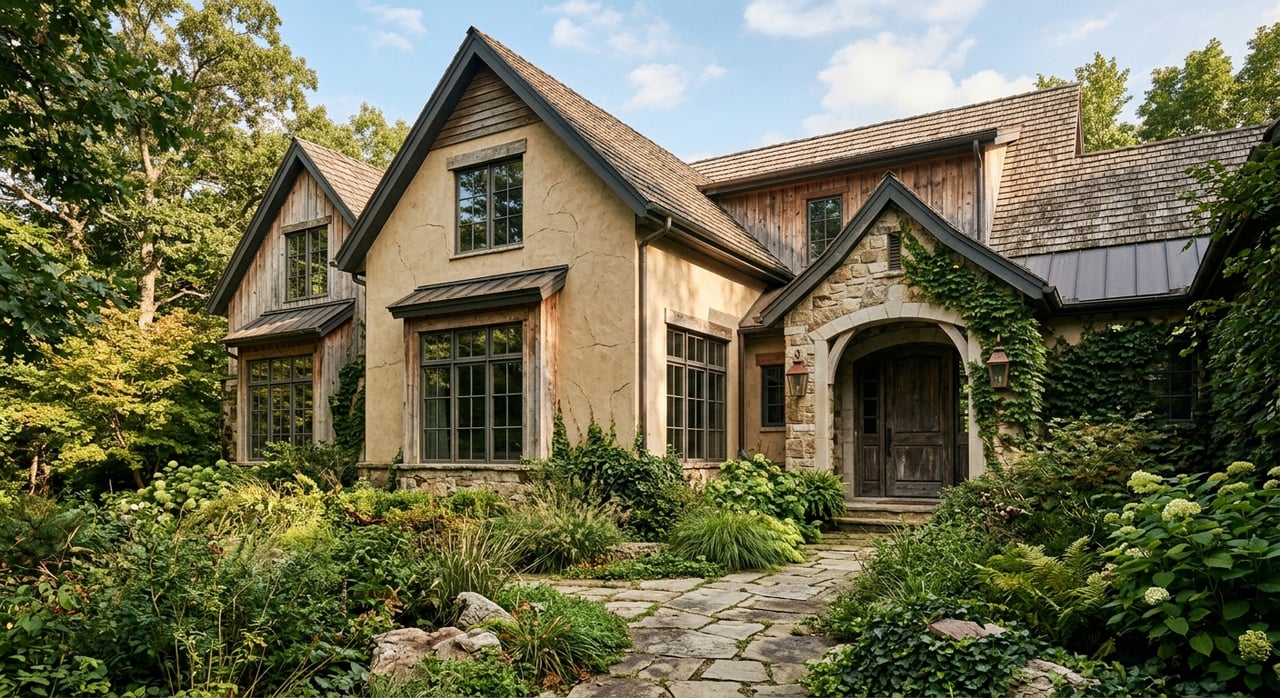
Palo Alto Fixer-Upper Buying Guide: What to Know
May 28, 2026
May 28, 2026
Wondering whether a fixer-upper in Palo Alto is a smart opportunity or a costly detour? In this market, the answer often depends less on paint, flooring, or dated finishes and more on what the property can legally support. If you are hoping to buy a home with upside, this guide will help you understand the due diligence, permit realities, and red flags that matter most in Palo Alto. Let’s dive in.
In many markets, a fixer-upper is mostly about condition and renovation cost. In Palo Alto, the equation is more complex. The city’s review process can require a schematic plan set that addresses items like zoning, floor area ratio, lot coverage, setbacks, garage placement, and site dimensions.
That means a home’s buildable envelope can matter just as much as its current appearance. A house that looks easy to improve may face meaningful limits if the lot, setbacks, trees, or site conditions restrict what you can do.
The city’s checklist also highlights issues that can affect scope and timing, including tree protection, creeks or waterway easements, and setbacks for outdoor mechanical equipment along with noise compliance. If work affects protected trees, an ISA arborist report may be required.
Historic status can also change the path forward. In Palo Alto, historic review usually focuses on permanent exterior work rather than interior work, with additional considerations in Professorville. Depending on the property’s status and the project scope, exterior changes may need to meet the Secretary of the Interior’s Standards and could be routed to the Historic Resources Board or CEQA-related review.
If a property is really more of a teardown than a remodel, you also need to think differently about the timeline. Palo Alto’s PCB deconstruction program can apply to certain buildings, and the city notes that related coordination may take several months.
A fixer-upper purchase works best when you investigate early and thoroughly. In Palo Alto, that means looking beyond surface condition and asking whether the home’s paperwork, disclosures, and site constraints support your plans.
An independent home inspection should be one of your first steps. The inspection can help you identify repair issues, support negotiations, and, if your contract includes the right contingency, give you a path to cancel if the property condition is not acceptable.
It is also wise to leave enough time for follow-up inspections if the first report raises concerns. For a fixer, that extra time can be especially important because the visible issues are often only part of the story.
Palo Alto offers a Permit View portal for planning, building, and enforcement information. This can help you compare what you see at the property with the visible permit record.
If you notice additions, conversions, exterior alterations, or major repairs, it is worth confirming whether they appear to have been permitted. Unclear permit history does not automatically kill a deal, but it can affect renovation plans, cost, and risk.
In California, single-family home transfers are subject to the Transfer Disclosure Statement, and that disclosure requirement cannot be waived. Buyers also receive a Natural Hazard Disclosure Statement covering items such as flood, dam inundation, fire hazard severity, and wildland hazard information.
For a fixer-upper, these documents are not just routine paperwork. They are part of how you decide whether to buy, how much risk you are taking on, and what terms make sense for your offer.
If disclosures are incomplete, vague, or inconsistent with what you observe, treat that seriously. In a renovation purchase, missing clarity upfront can become expensive later.
If the home was built before 1978, federal law requires lead-based paint disclosure before sale. Renovation work that disturbs painted surfaces in those homes must be done by certified or trained lead-safe workers.
That can affect both cost and scheduling. If you are planning to open walls, replace windows, refinish trim, or do major prep work, older paint systems may become a real part of your budget.
California law requires noncompliant plumbing fixtures in single-family residential property to be replaced with water-conserving fixtures. Palo Alto’s building division applies that rule to single-family homes.
So if the house has older toilets, faucets, or showerheads, those replacements may become part of your scope even if you were not planning a full-scale remodel. It is a small detail that can still affect your planning.
In Santa Clara County, a change of ownership or new construction can trigger supplemental assessments in addition to the annual property tax bill. New homeowners also file a Preliminary Change of Ownership Report at recording.
The county notes that new owners commonly receive the supplemental notice about six months after the purchase is recorded. If you are stretching to buy and renovate, this is one more cost item to build into your cash planning.
Not all fixer-uppers carry the same level of complexity. In Palo Alto, the line between a manageable remodel and a long, documentation-heavy project can be significant.
Interior-only cosmetic work is generally the lightest review burden. Think finishes, surfaces, fixtures, and updates that do not materially change the structure, site, or exterior envelope.
This is often where a fixer makes the most sense. If the home is structurally sound and the upside comes from improvements within the existing envelope, the path is usually more predictable.
Once your project affects layout, structure, site work, or the exterior, the documentation can grow quickly. Palo Alto’s residential remodel checklist can involve civil, architectural, and structural plans, foundation and framing details, grading and drainage information, surveys, tree protection sheets, CALGreen and Title 24 forms, geotechnical reports in some cases, and special inspections.
That does not mean these projects are bad opportunities. It means you should go in with realistic expectations about design work, review time, and professional coordination.
If the property is a Group A or Group B historic resource, exterior changes, additions, demolition, or new construction can trigger additional staff review, Historic Resources Board review, or CEQA-related review depending on the home’s status and your scope of work.
For buyers, this matters because two homes with similar square footage and similar condition can have very different remodel paths. Historic status is one of the clearest examples of why property-specific analysis matters in Palo Alto.
If you are buying a property primarily for rebuild potential, underwrite it differently from a standard fixer. Demolition or deconstruction can involve separate environmental coordination, and the city says PCB-related coordination may take several months.
That timeline can materially affect carrying costs and project pacing. A teardown opportunity may still make sense, but it should not be evaluated like a simple cosmetic remodel.
A fixer-upper is usually most attractive when the lot and house already fit your goals well. In Palo Alto, the best opportunities often come from properties where the value-add plan stays largely within the existing envelope and avoids major conflicts with setbacks, lot coverage, tree constraints, or historic review.
You may want to lean in when the home is structurally sound, the needed work is clear, and the main upside comes from updating finishes, systems, and modest layout improvements. In that scenario, you are often improving a strong asset rather than fighting the site.
This is also where experienced property-level judgment matters. A good fixer is not just a house with deferred maintenance. It is a house where the likely renovation path aligns with what the property can realistically support.
Some properties look exciting on paper because the entry price seems low relative to the neighborhood. But in Palo Alto, a discount can disappear quickly if the project is burdened by nonconforming conditions, likely historic complications, major exterior changes, tree impacts, or demolition-related review.
You may also want to proceed carefully if the disclosure package feels thin, permit history raises questions, or the home’s visible condition suggests more than a cosmetic update. In fixer-upper purchases, uncertainty itself is a cost driver.
For builder-minded or investor-minded buyers, the underwriting should go beyond purchase price and resale value. Permit review time, reassessment, supplemental taxes, lead-safe remediation where relevant, and any required tree or historic review all affect the real opportunity.
If you are considering a Palo Alto fixer-upper, it helps to work through the property in a simple order:
This process can help you separate a real opportunity from a project that only looks promising at first glance.
In a market as nuanced and valuable as Palo Alto, buying the right fixer-upper is less about chasing a bargain and more about making a disciplined decision. The homes with the best upside are usually the ones where condition, site constraints, disclosures, and renovation goals all line up.
If you want experienced guidance on evaluating a Palo Alto fixer-upper, Bob Kamangar brings the perspective of a broker, attorney-trained negotiator, and licensed general contractor to help you assess the property with clarity and confidence.
Stay up to date on the latest real estate trends.




Rooted in trust, expertise, and sincere dedication, Bob brings a lifelong appreciation of what “home” means to every client and every move.