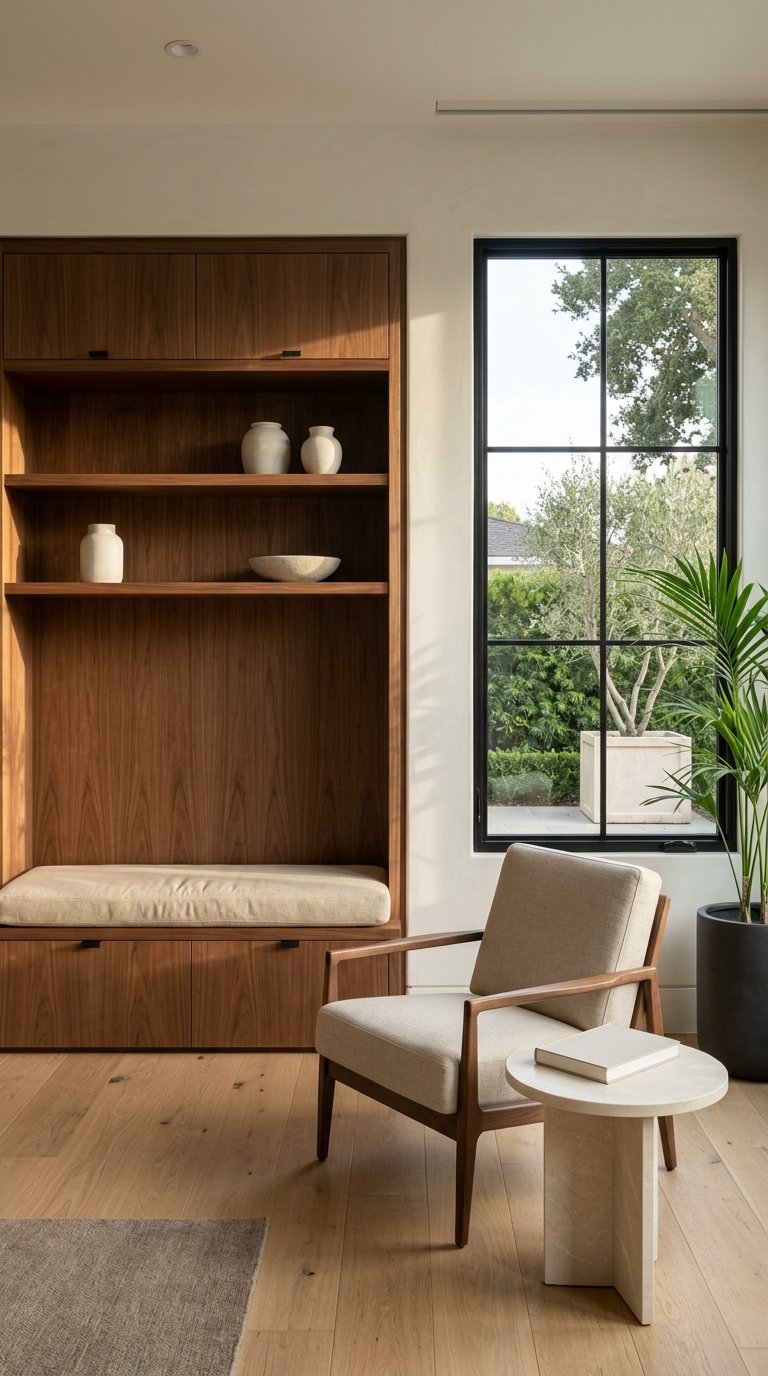
Selling A Custom Home In Los Altos Hills
June 25, 2026
June 25, 2026
Wondering why selling a custom home in Los Altos Hills can feel more complex than selling a more typical property? In this market, buyers are not just comparing square footage and finishes. They are also weighing the lot, privacy, views, topography, open-space setting, and the property’s permit and improvement history. If you are preparing to sell, it helps to know where value is created, where deals can get stuck, and how to position your home clearly from the start. Let’s dive in.
Los Altos Hills has a distinct residential pattern built around large lots, low-density development, open space, and a rural atmosphere. The Town also notes that much of the visible open space is privately owned and maintained, and the pathway network is part of the community’s identity. That setting shapes how buyers evaluate property here.
The housing stock is also unusually consistent in one important way. According to the Town’s Housing Element, 98.2% of housing units were detached single-family homes as of 2020, while only 0.5% were multifamily. In practical terms, that means most buyers in Los Altos Hills are looking at stand-alone homes with unique site characteristics, not standardized inventory.
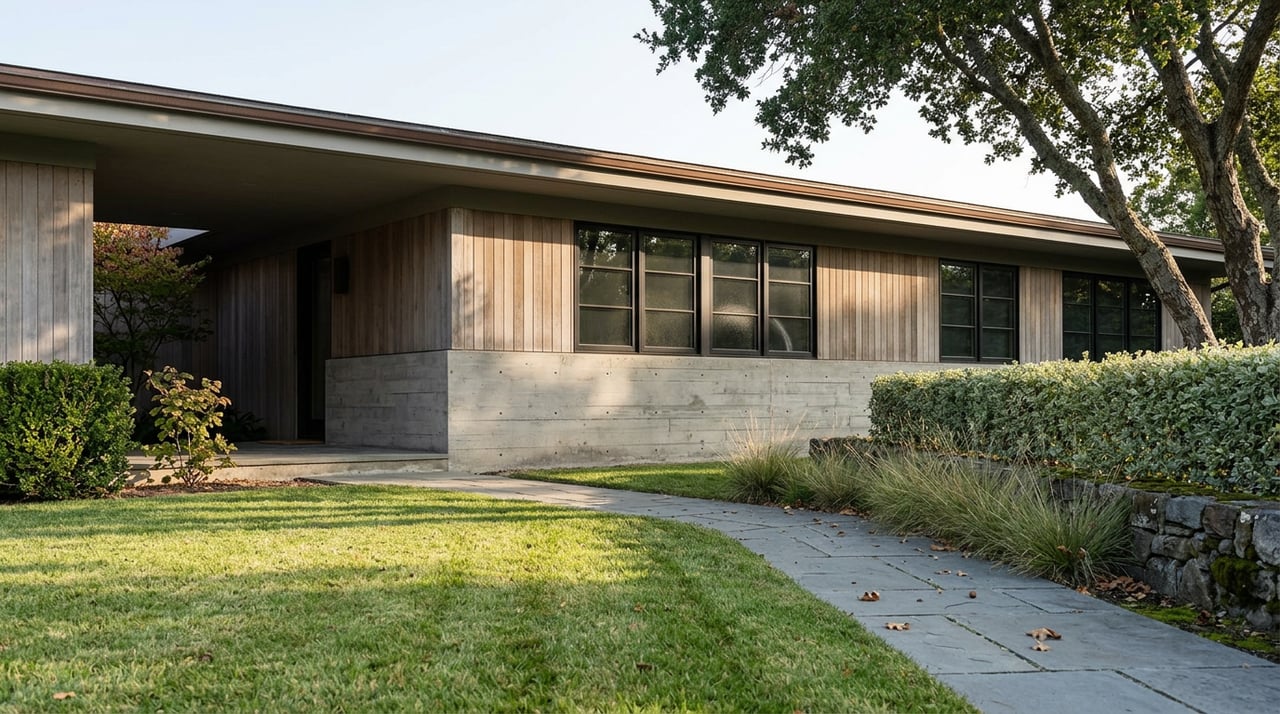
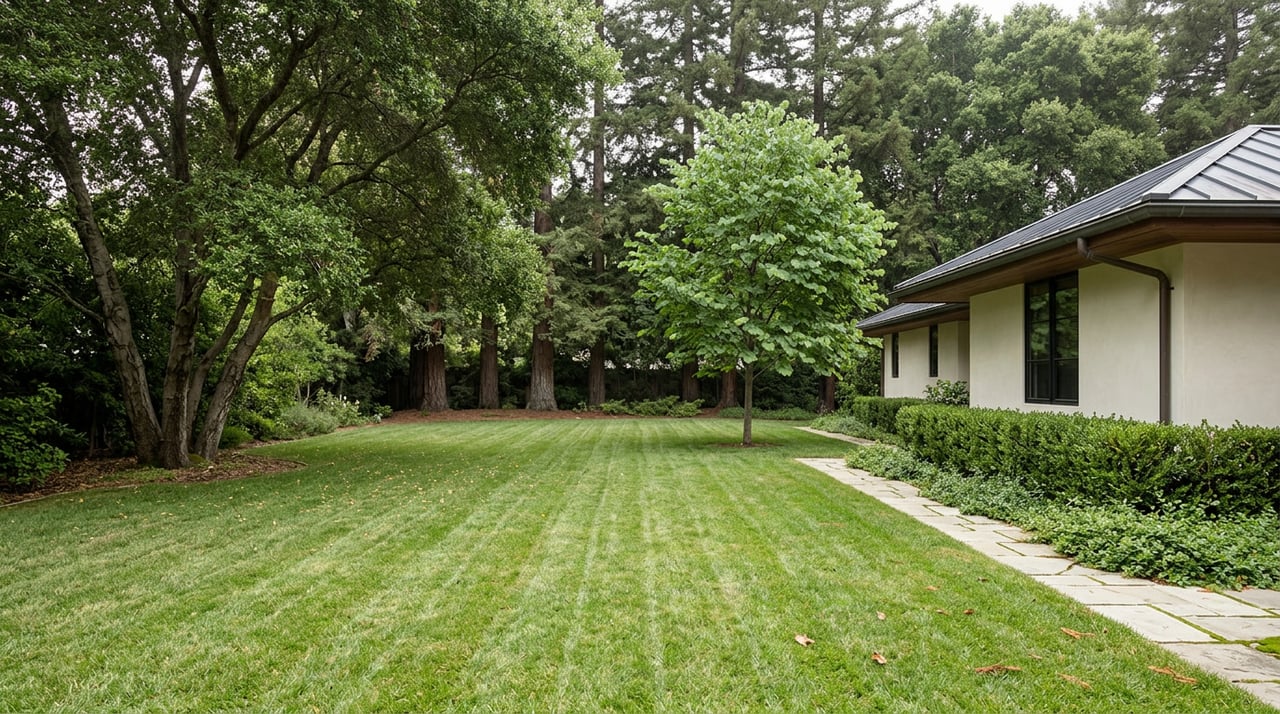
For a custom home, that changes the conversation. A buyer may care as much about the way the house sits on the land as the kitchen or primary suite. Privacy, access, landscaping, usable outdoor space, views, and how the home relates to the lot can all influence value.
Appraisals are generally based on similar sold homes, with adjustments for differences in size, design, condition, room count, landscaping, views, and other features. That sounds straightforward, but custom homes often make the process harder. The more individualized the home, the fewer truly comparable sales there may be.
That can create a gap between what makes your home special and what an appraiser can easily support on paper. Highly customized architecture, premium site work, or very personal finishes may not always translate into a simple dollar-for-dollar adjustment. Even when the quality is obvious, the value still has to be legible to buyers, lenders, and appraisers.
If the appraisal comes in below the contract price, the transaction can shift quickly. A lower appraisal can lead to renegotiation, a reconsideration of value, a larger down payment from the buyer, or cancellation depending on the contract and loan terms. For sellers, that means pricing strategy should be tied to both market demand and the likely appraisal story.
Your asking price should reflect more than aspiration. It should account for how the property will be understood by the next buyer and by that buyer’s lender. In Los Altos Hills, that often means presenting a clear case for the home’s site value, legal improvements, and condition as part of the pricing strategy.
One of the smartest steps before going to market is to gather your property documentation early. For a custom home, that can include permit records, approved plans, final inspection sign-offs, surveys, and easement documents. These records matter because buyers often ask detailed questions, especially when the home has had additions, major remodels, site work, or unique outdoor improvements.
In Los Altos Hills, this matters even more because development rules can extend well beyond the main living area. Town materials show that floor area can include garages and some attic space, while development area can include features such as patios, decks, walkways, pools, tennis courts, driveway segments, and other hardscape. When a seller can clearly explain what was legally built and how it was counted, it reduces uncertainty.
Some past projects may also have been subject to specific conditions. The Town’s standard conditions for new residences and major additions can include landscape plans, maintenance deposits, open-space easements on certain land, pathway fees or easements, fire sprinklers or hydrants, engineering or survey certification, sewer connection requirements in some cases, grading and erosion-control plans, a minimum GreenPoint rating, and underground utilities. If prior work touched any of these issues, the record trail is important.
In Los Altos Hills, the lot itself can shape value almost as much as the house. The Town’s Housing Element states that the R-A zone has a 1-acre minimum lot size, and Town materials show that slope, net area, and easements can affect allowable development area and floor area. That means buyers may look beyond the existing improvements and ask what the site does, or does not, allow in the future.
This comes up often on hillside or estate properties. A home may look expansive, but topography, easements, and prior approvals can influence future additions, accessory structures, or site changes. If you can clarify those factors early, you make the property easier to evaluate.
ADUs and SB 9 can also become part of the value discussion on some parcels. The Town states that one ADU and or one JADU is allowed on any property with an existing single-family home in the R-A district, that a new ADU can be up to 800 square feet and is exempt from maximum development area and floor area, and that an ADU cannot be sold separately from the main residence. The Town also explains that SB 9 may allow ministerial two-unit development or a lot split on qualifying parcels, subject to objective standards.
Even if a buyer never plans to build, flexibility can influence confidence. Clear information about development limits, approvals, and options helps a buyer understand the property more fully. That clarity can support stronger offers and smoother negotiations.
Not every upgrade before sale is worth doing. In a custom-home sale, the best return often comes from work that reduces objections, not from highly personal remodeling. Buyers are usually more comfortable paying a premium when the home feels well documented, well maintained, and easier to inspect, finance, and insure.
California consumer guidance explains that a seller’s disclosure covers the physical condition of the property and potential hazards or defects, and that the agent must visually inspect for readily observable defects. Buyers are also advised to evaluate key systems such as electrical, plumbing, and structural components and to bring in a qualified inspector when appropriate. That makes pre-listing condition work especially useful.
The Consumer Financial Protection Bureau also notes that inspection findings can trigger repair negotiations or lender conditions before closing. For that reason, a pre-listing inspection can be a practical way to identify issues before they become a contract problem. It gives you more control over timing, vendors, and cost.
In Los Altos Hills, wildfire readiness is not a side issue. It can affect both buyer comfort and property insurability. The local fire district recommends defensible space in three zones: a 0 to 5 foot immediate zone, a 5 to 30 foot intermediate zone, and a 30 to 100 foot extended zone.
The district also encourages fire-resistant materials and vegetation management. It offers resident programs such as brush chipping and removal and home ignition zone assessments. If your property has been maintained with these issues in mind, that is useful information to organize before listing.
For a seller, this is less about marketing spin and more about documented stewardship. A buyer wants to see that the property has been cared for thoughtfully. In a hillside and estate setting, that can carry real weight.
The strongest marketing approach for a Los Altos Hills custom home is usually broader than interior design alone. Architecture matters, but so do the site, the outdoor living experience, the orientation, the privacy, and the way the home connects to the land. That story fits both the Town’s open-space character and the way homes are evaluated in the market.
This is where strong preparation pays off. Instead of asking buyers to guess why the home is special, you present the full picture with clarity. That can include the design intent, major improvements, site planning, maintenance history, landscape function, and any records that support legal and physical quality.
Custom homes often attract thoughtful buyers who ask detailed questions. They may focus on permits, conditions, slope, drainage, easements, inspection findings, wildfire preparedness, or future use. If those questions are answered early and clearly, negotiations tend to be more productive.
This is one reason complex Los Altos Hills properties benefit from a strategic, hands-on approach. When pricing, preparation, documentation, and presentation all support the same story, you are in a stronger position. You are not just listing a house. You are making it easier for the market to understand and value a one-of-a-kind property.
Selling a custom home in Los Altos Hills is rarely a simple pricing exercise. It is a process of preserving the property’s story, verifying the record, addressing real friction points, and presenting the home in a way that makes sense to buyers, lenders, and appraisers alike. If you want experienced guidance on how to evaluate, prepare, and position your property, connect with Bob Kamangar.
Stay up to date on the latest real estate trends.
Rooted in trust, expertise, and sincere dedication, Bob brings a lifelong appreciation of what “home” means to every client and every move.