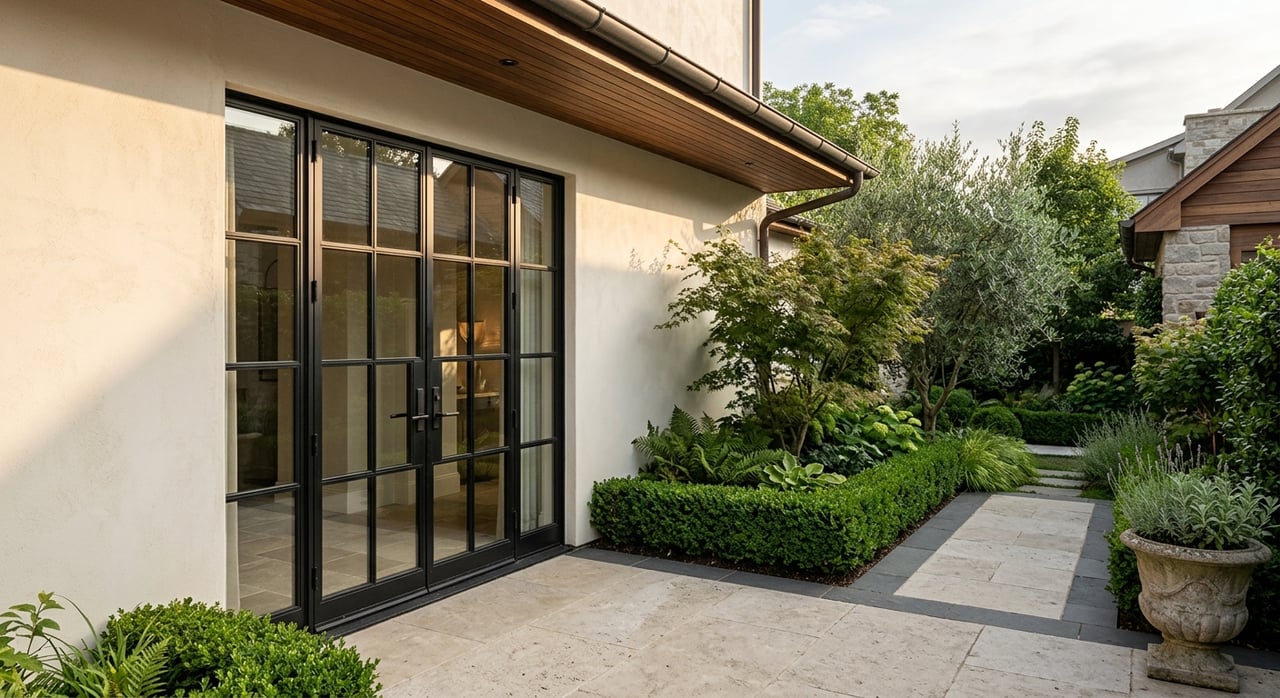
Living in Menlo Park: A Look at Daily Neighborhood Life
July 2, 2026
July 2, 2026
Looking for a neighborhood where daily life feels easy without losing that refined Mid-Peninsula character? In Menlo Park, many of the routines that shape your week can happen close to home, from grabbing a coffee downtown to walking a shaded loop at a local park or catching Caltrain for a commute. If you are considering a move or simply want a clearer feel for how Menlo Park lives day to day, this guide will walk you through the rhythms that define its leafy neighborhoods. Let’s dive in.
One of Menlo Park’s biggest lifestyle strengths is how much of daily life is built around practical, repeatable routines. Official city materials point to a walkable downtown, neighborhood parks, bike routes, and civic amenities spread across the community. That creates a pattern that feels useful and grounded rather than centered on one large destination.
For many residents, that means your day might include a short errand run, time outside, and a stop at a local civic space without much effort. Menlo Park’s layout supports a lifestyle where small trips add up to a strong sense of ease. That can matter just as much as square footage when you are choosing where to live.
Downtown Menlo Park serves as the city’s main hub for everyday errands and casual social time. The city describes it as a walkable area with eateries, shops, convenience stores, specialty services, and outdoor dining through the Streetary program. Tree-lined streets and a pedestrian-oriented layout give the area an easy, approachable feel.
This is also where weekly and seasonal routines come into focus. The downtown calendar includes a Sunday farmers market and summer concerts at Fremont Park, while the city is adding a public plaza on the 600 block of Santa Cruz Avenue. Those features help create a setting where regular habits can feel a little more connected and enjoyable.
Menlo Park’s downtown is designed more for strolling than rushing through. The city requires bicyclists to walk their bikes on downtown sidewalks, which reinforces the pedestrian character of the area. That policy may seem small, but it says a lot about how the center is meant to function.
If you value a downtown where you can move at a comfortable pace, run errands, and spend time outdoors, that setup stands out. It supports the kind of everyday use that helps a neighborhood feel lived in rather than just visited.
Downtown is also within walking distance of the Menlo Park Caltrain station. That adds another layer of convenience for residents who want rail access nearby. Caltrain is currently rehabilitating the station building to preserve its roof, exterior, and historic character.
For some buyers, proximity to a station is about commuting. For others, it is simply about optionality and easier regional access. Either way, the connection strengthens downtown’s role in daily life.
Menlo Park’s park system plays a major role in how residents spend time outdoors. According to the city, the system ranges from nature preserves to playgrounds and sports parks, with many spaces functioning as neighborhood or civic-center destinations. In practical terms, that gives you a wide range of options for short, everyday outdoor routines.
Instead of relying on one signature park, Menlo Park offers a collection of usable spaces across town. That can make outdoor time feel more woven into your week. A quick walk, a few laps on a paved path, or a short pause by a pond can all fit naturally into the day.
Burgess Park is one of the clearest examples of Menlo Park’s practical lifestyle setup. Located at the Civic Center campus, it is within a brief walk of the Arrillaga Family Gymnasium, Arrillaga Family Recreation Center, Arrillaga Family Gymnastics Center, Burgess Pool, and Menlo Park Library. The park itself includes a duck pond, playground, soccer fields, baseball fields, picnic areas, and restrooms.
That concentration of uses makes the area especially useful for recurring routines. You are not just going to one isolated facility. You are stepping into a broader civic hub where recreation, library access, and outdoor time sit close together.
Fremont Park brings a softer pace to the downtown setting. The city describes it as a small park with heritage trees and benches, well suited to a quick lunch, a coffee break, or a quiet read after time in nearby shops. It adds a simple but valuable pause point right in the center of town.
In lifestyle terms, spaces like this often matter more than they first appear. They give downtown a place to linger, not just transact. That can make everyday errands feel more pleasant and less rushed.
Menlo Park also has several neighborhood parks that support shorter, everyday use. City materials highlight Nealon, Stanford Hills, Willow Oaks, Sharon Park, and Meta Park as places for dog walks, playtime, tennis, loops, and other outdoor routines.
A few examples help show the range:
These are the kinds of spaces that can quietly shape your quality of life. They support regular use without needing a big outing or a long drive.
For those who want more open space, Bedwell Bayfront Park adds a different experience. This 160-acre nature park sits at the east end of Menlo Park near Highway 101 and Marsh Road. The city notes bird and wildlife watching, easy trails, and a perimeter trail that is part of the San Francisco Bay Trail.
That gives Menlo Park a meaningful trail-based recreation option within the city. If you enjoy outdoor routines that feel more expansive than a neighborhood loop, Bedwell Bayfront Park broadens what daily life can include. It is one more reason Menlo Park appeals to buyers who want both convenience and access to nature.
Menlo Park is also set up for short, low-stress trips by bike. The city directs residents to its bicycle map, a countywide bike map, and 511’s interactive Bike Mapper, and notes that bike routes and wayfinding signs appear throughout town. Some of those signs point to parks and Caltrain stations, which helps tie together everyday destinations.
This kind of infrastructure matters because it supports choice. On some days, you may drive. On others, a bike trip for a park visit or station run may be the easier option. A city that supports both tends to feel more adaptable in daily life.
A segment of the San Francisco Bay Trail crosses Menlo Park from Bedwell Bayfront Park toward Alviso. That gives the city a strong regional trail connection in addition to local routes. For residents who value recreation that can scale from a short outing to a longer ride or walk, that is a notable feature.
The trail also reinforces an important part of Menlo Park’s identity. Even in a well-located Peninsula setting, outdoor access remains part of the daily equation.
Transit access adds another layer of practicality. SamTrans lists the Menlo Park Caltrain station with nearby connections including Route 296 and the ECR corridor. SamTrans route information also shows Route 281 serving Menlo Park, Palo Alto, and East Palo Alto.
For residents in Belle Haven, Ride Plus offers an on-demand SamTrans service that can take riders to the grocery store, events, activities, or work within the service zone. That kind of service can make a real difference in everyday mobility. It adds flexibility for routine trips that do not always fit neatly into a fixed schedule.
Menlo Park’s civic amenities are spread across town, which helps daily life feel neighborhood-based and accessible. The city operates two public library facilities, Menlo Park Library and Belle Haven Library. According to city materials, both offer books, digital lending, technology access, study and learning spaces, literacy support, tutoring, and cultural or educational programs.
These are not just occasional-use buildings. They are part of the weekly rhythm for many residents. Having civic resources in more than one part of the city can make routines more convenient and more local.
Belle Haven Library sits inside the Belle Haven Community Campus. City materials say the campus also includes a youth center, senior center, makerspace, meeting rooms, event hall, gymnasium, and aquatics center. That mix of functions gives the area a strong day-to-day community role.
The broader Library and Community Services department supports recreation, sports, early childhood education, after-school programs, youth camps, senior programs, athletic fields and courts, community events, and aquatics. For someone evaluating Menlo Park as a place to live, that points to a city where civic infrastructure supports daily routines in a practical way.
When you put these elements together, Menlo Park’s lifestyle comes into focus. It is a city where many ordinary tasks happen close to home, whether that means walking downtown for errands, using a local park, biking a mapped route, or stopping by a library or community campus. The appeal is not just in any one feature, but in how these pieces work together.
For buyers looking in Menlo Park, that kind of day-to-day usability can be an important value driver. A home’s setting is about more than architecture or lot size. It is also about how naturally your routines fit the neighborhood around you.
If you are considering a move in Menlo Park or the surrounding Mid-Peninsula, working with an advisor who understands both property value and lifestyle fit can make a meaningful difference. To explore your options with a seasoned local perspective, connect with Bob Kamangar.
Stay up to date on the latest real estate trends.
Rooted in trust, expertise, and sincere dedication, Bob brings a lifelong appreciation of what “home” means to every client and every move.