Inside Atherton Estate Living: What Daily Life Looks Like
June 11, 2026
June 11, 2026
If you picture luxury living as nonstop activity, Atherton may surprise you. Life here is often defined less by public buzz and more by privacy, space, and the ability to shape your day around home. If you are curious about what everyday routines really look like in this estate setting, this guide will walk you through how Atherton’s land use, outdoor spaces, and nearby town centers come together to create a very specific lifestyle. Let’s dive in.
Atherton’s identity is unusually clear. The Town describes it as a small, semi-rural residential community with no commercial or industrial land-use base, and its council handbook notes a population of 7,188 people and about 2,526 housing units.
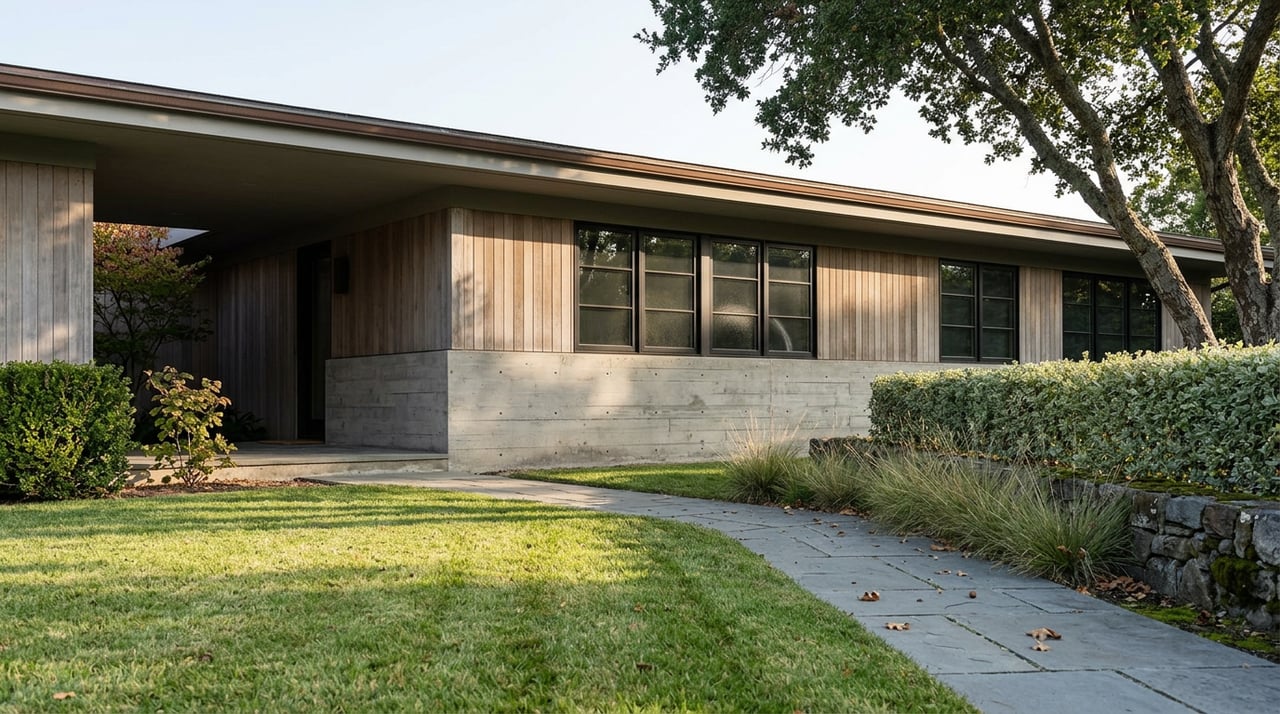
That matters because it sets the tone for daily life. Instead of living around a retail district or mixed-use center, you live in a place built around residential land, mature landscaping, and a long-established preference for larger parcels and quiet surroundings.
The town’s history also helps explain the feel you notice today. Atherton grew from a rail stop that served owners of large estates, and early residents wanted a town made up of large parcels without businesses. That original vision still shows up in the rhythm of life now.
Atherton has only two residential zoning districts, R-1A and R-1B. Minimum lot sizes are 1 acre and 13,500 square feet, and the Town states that maximum house size depends on lot size and zone.
In practical terms, that supports the estate character people associate with Atherton. The sense of luxury here often comes from land, separation, and greenery rather than from density or walkable retail right outside your door.
The Town also says there are about 2,700 lots in Atherton and that most acreage is already developed at existing General Plan densities, with little vacant developable land left. For you as a buyer or homeowner, that means the community’s low-density pattern is not a passing phase. It is a core part of what Atherton is.
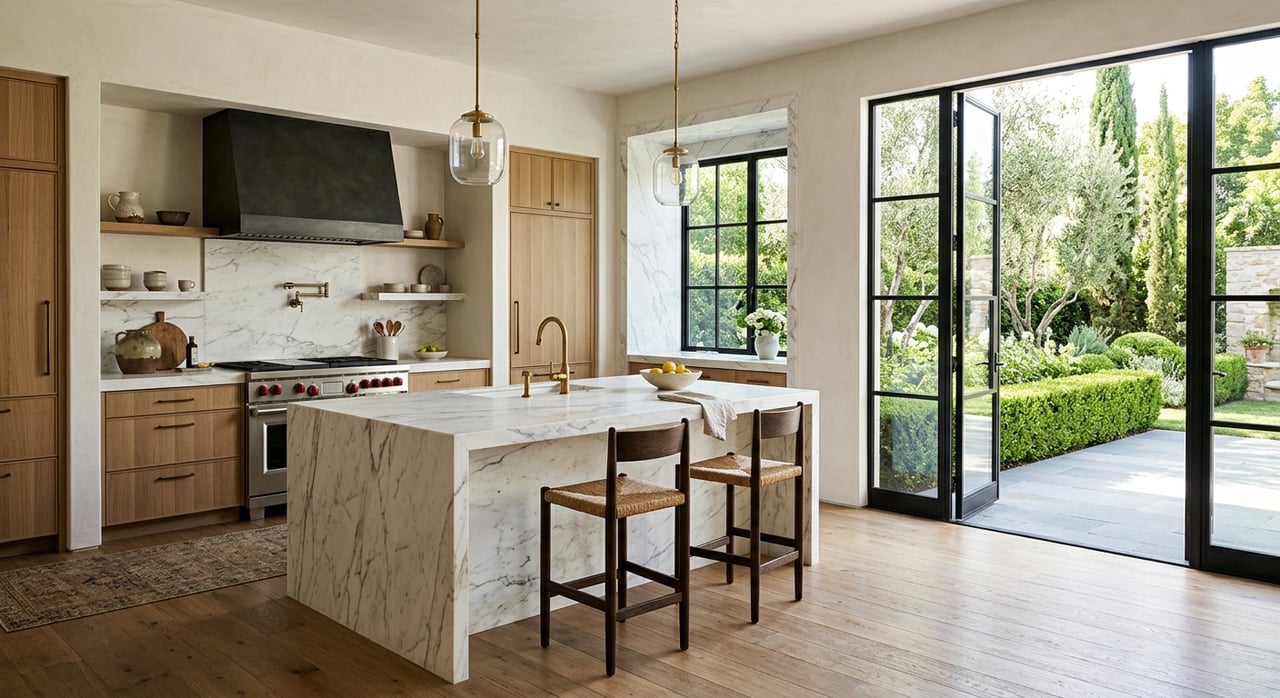
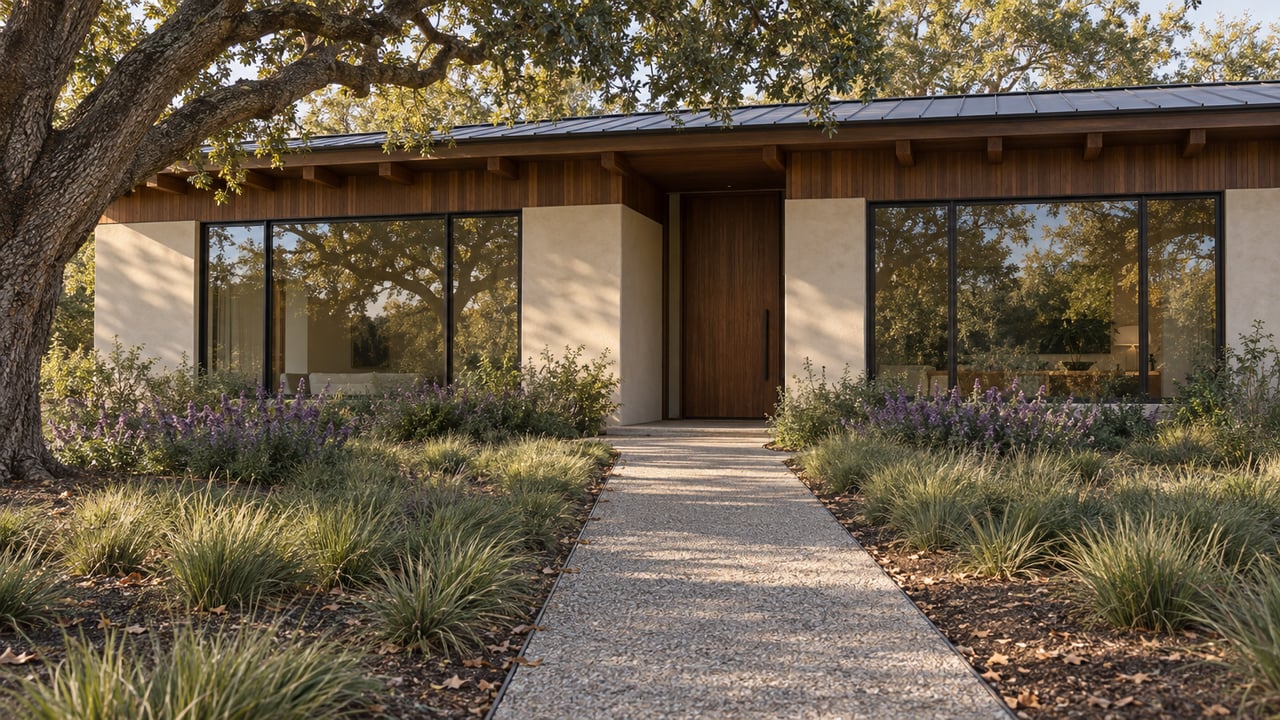
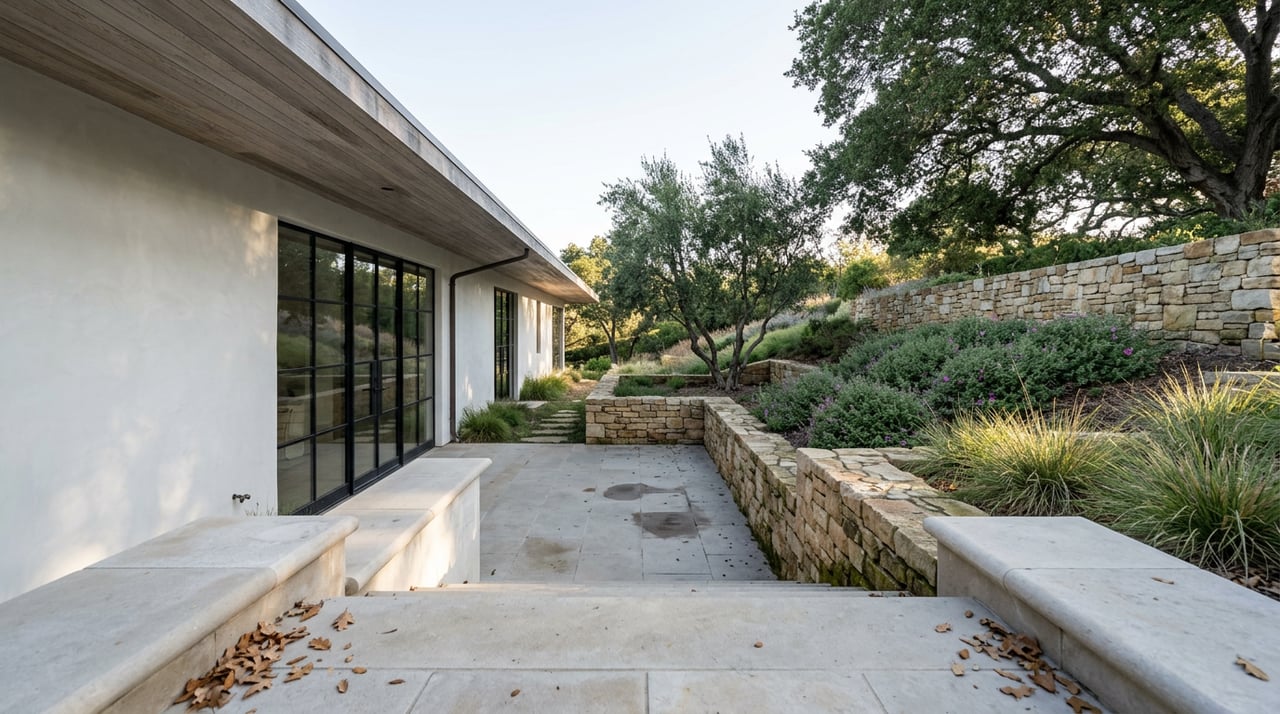
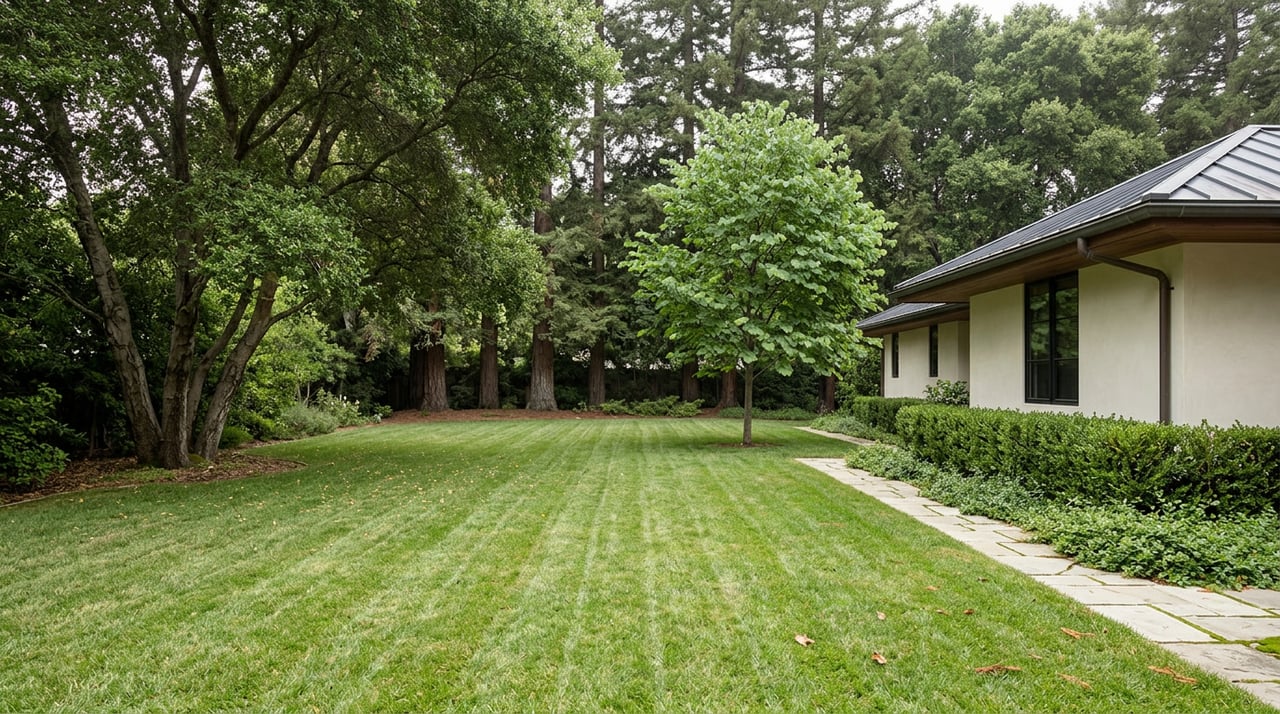
Because parcels are large and density is low, many properties can reasonably accommodate private outdoor features such as gardens, terraces, pools, and outdoor kitchens. That can change how you spend your time at home.
Your morning might start with coffee on a patio instead of a quick walk to a corner cafe. Your weekends may center on hosting at home, spending time outdoors on your property, or enjoying a quieter residential setting before heading to nearby Peninsula hubs for errands or dining.
This is one of Atherton’s clearest lifestyle distinctions. Home is often the main destination, not just the place you return to at the end of the day.
Atherton allows accessory dwelling units on residentially zoned properties. According to the Town, a detached ADU can function like a cottage, pool house, or guesthouse, and junior ADUs may be under 500 square feet within the footprint of a single-family home.
That gives many homeowners flexible options for long-term use. Depending on the property, guest accommodations, extended household living, or separate work and creative space may fit naturally into the estate layout.
Just as important, Atherton does not allow commercial-residential uses or transient guest quarters, including Airbnb- and VRBO-style short-term rentals. So when you think about guest space here, it is better understood as permanent, code-compliant secondary living space rather than short-term lodging.
In some communities, extra space is designed around turnover and temporary stays. In Atherton, the rules support a more residential, long-horizon approach.
That tends to reinforce privacy and consistency across the town. It also means buyers often look at secondary structures and detached spaces through the lens of livability, household flexibility, and long-term property use.
Even in a town known for private estates, there is still a public outdoor anchor. Holbrook-Palmer Park is Atherton’s signature public green space, with 22 acres that include a ball field, tennis courts, a playground, gardens, and walking paths.
For residents, that creates an option that feels local and relaxed. If you want a green setting without leaving town, the park offers an easy shift from private property to shared outdoor space.
The park also includes three rentable venues: the Main House, Jennings Pavilion, and Carriage House. Day-use permits are available for larger groups, which gives residents a local setting for gatherings, celebrations, and community events.
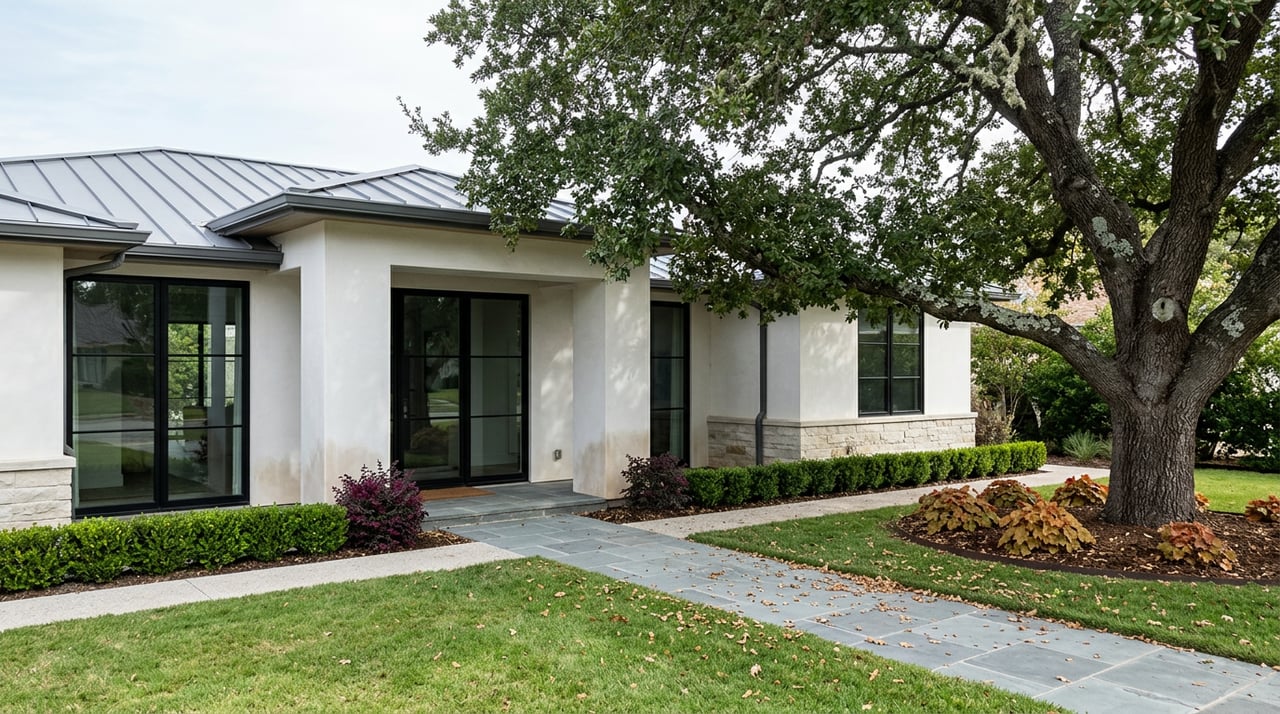
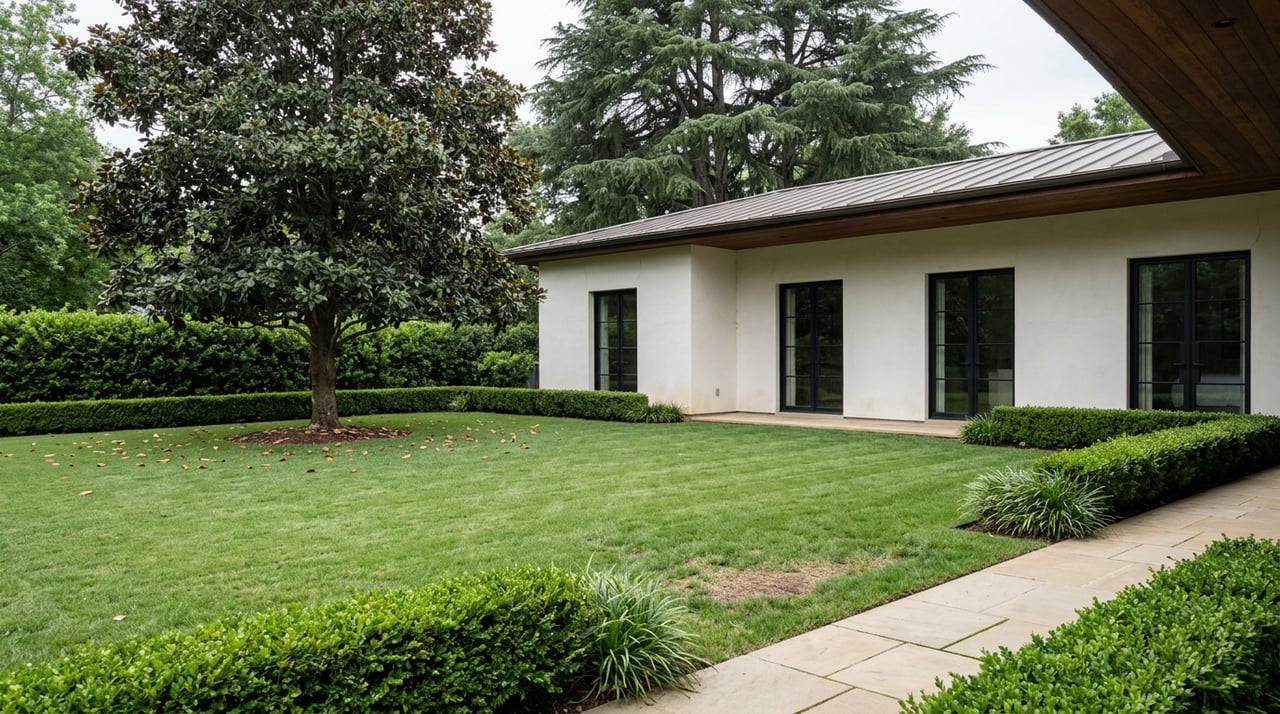
Atherton’s housing and planning materials emphasize preserving open spaces and heritage trees. They also describe the town’s land-use character as mainly single-family residential and institutional.
For you, that often translates into a calmer streetscape and a greener visual environment than you might find in a more commercial Peninsula downtown. The look and feel of daily life is shaped by landscaping, setbacks, and open space rather than storefronts and traffic-heavy retail corridors.
A defining part of Atherton life is that the town itself has no commercial land-use base. That means daily convenience usually comes from nearby destinations rather than from businesses inside town limits.
Atherton’s planning work along El Camino Real notes that corridor improvements are intended to link residents with activity centers in Redwood City and Menlo Park. Caltrain also notes that the permanent closure of the Atherton station in 2020 shifted service to nearby Menlo Park and Redwood City stations.
This is important if you are comparing Atherton with other luxury communities. The lifestyle here is not built around stepping out your front door to a cafe strip. It is built around retreat at home with convenient access to several active town centers a short trip away.
One of Atherton’s strongest advantages is choice. You can live in a highly private setting, then tailor your day depending on whether you want a quick errand run, a meal out, a farmers market visit, or a broader entertainment district.
Downtown Menlo Park offers eateries, shops, outdoor dining, convenience stores, specialty retail, a public plaza, and a Sunday farmers market. That can make it a practical option for everyday stops and casual outings.
Downtown Redwood City brings a different scale. The city reports more than 75 restaurants, hundreds of retail and personal-services businesses, and a thriving entertainment district, making it a strong fit for nights out or a more active downtown experience.
Downtown Palo Alto adds another layer, with restaurants, coffee shops, theaters, art galleries, and locally owned retail. The city also says it has 36 parks, 39 playgrounds, five community and youth centers, 41 miles of walking and biking trails, and five libraries.
Atherton gives you space at home and options nearby. That combination is a major reason it stands apart from other high-end Peninsula markets.
You do not choose Atherton for an in-town commercial scene. You choose it for estate-scale privacy, mature surroundings, and the ability to reach several well-established centers when you want activity, dining, or convenience.
If you are considering Atherton, it helps to match the town’s structure with your real daily habits. This is often an ideal fit if you value privacy, large parcels, and home-centered living more than a walk-to-retail routine.
It can also be a strong choice if you want room for outdoor amenities or flexible secondary space through an ADU, subject to property specifics and local rules. In a town with limited vacant developable land and a built-out residential pattern, the quality and functionality of the existing property matter a great deal.
That is where careful property-level evaluation becomes especially important. In Atherton, the details of lot use, existing improvements, outdoor layout, and long-term livability can shape not just value, but the way you will actually live in the home.
If you own property in Atherton, your home’s appeal often extends beyond square footage alone. Buyers are typically responding to the full experience: privacy, parcel scale, mature landscaping, outdoor living, guest-space flexibility, and access to nearby town centers.
That means presentation and positioning matter. A well-prepared listing should help buyers understand not only what the house is, but what daily life there can feel like.
For higher-value homes, that often requires more than standard marketing. It takes thoughtful evaluation, strong preparation, and a clear strategy around the property’s best lifestyle and estate features.
If you are weighing a purchase or preparing to sell in Atherton, working with an advisor who understands both market positioning and property-level details can make a meaningful difference. To talk through your options with a seasoned Mid-Peninsula expert, connect with Bob Kamangar.
Stay up to date on the latest real estate trends.
Rooted in trust, expertise, and sincere dedication, Bob brings a lifelong appreciation of what “home” means to every client and every move.