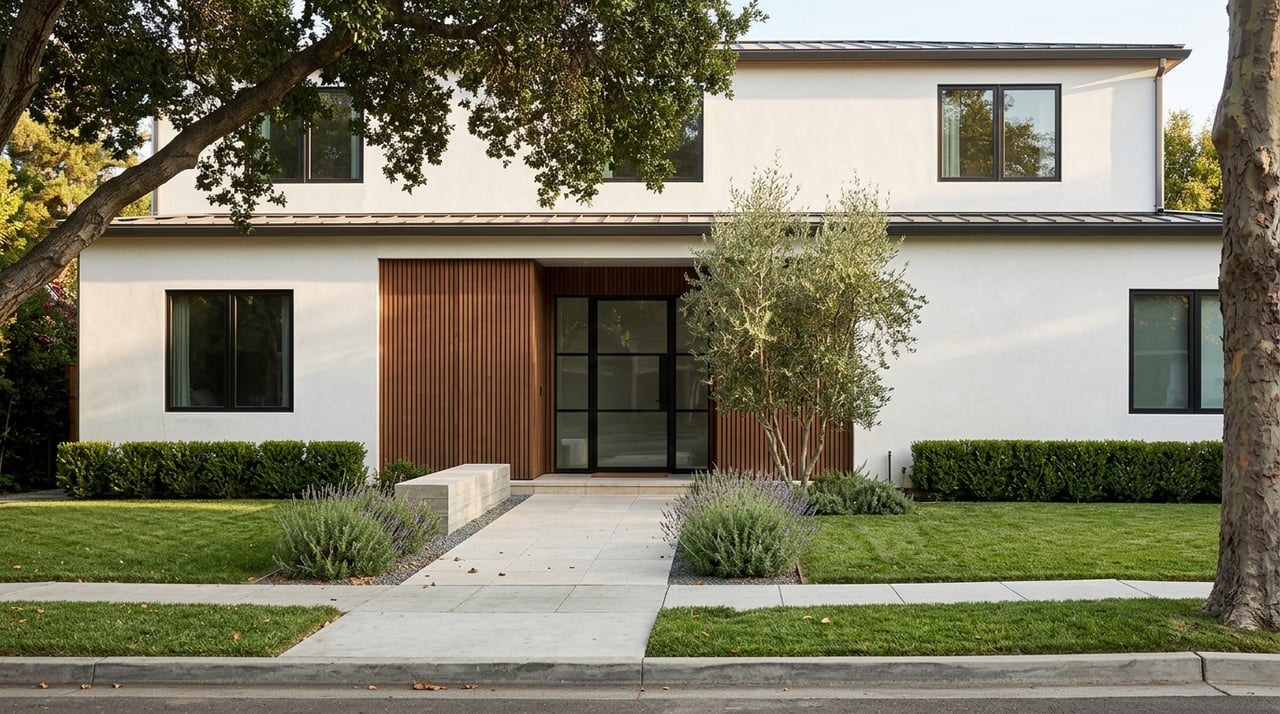
A Palo Alto Neighborhoods Guide for Single-Family Buyers
April 16, 2026
April 16, 2026
Choosing a single-family home in Palo Alto is rarely just about square footage or price. The city offers several distinct neighborhood patterns, and each one creates a different day-to-day experience, from historic streetscapes and larger lots to mid-century layouts and easier access to transit or retail. If you are comparing areas and trying to narrow your search with confidence, this guide will help you understand how Palo Alto’s single-family neighborhoods differ and what to pay attention to as you build your shortlist. Let’s dive in.
One of the clearest ways to compare Palo Alto is to think in terms of neighborhood archetypes instead of assuming the city feels the same block to block. According to the City of Palo Alto historic survey, the city’s single-family areas generally fall into a few broad patterns: historic core neighborhoods, Stanford-edge streets, west and southwest low-density areas, and mid-century or Eichler tracts.
That matters because your experience in each area can be very different. Some neighborhoods lean toward older architecture and established street patterns, while others offer a more compact layout, a more rural feel, or a stronger mid-century design identity.
If you are drawn to classic architecture, established residential blocks, and some of Palo Alto’s oldest housing stock, the historic core is often where buyers begin. This group includes Professorville, Old Palo Alto or Seale Addition, Crescent Park, and parts of Downtown North, based on the city’s neighborhood descriptions in its historic preservation findings.
These neighborhoods are not identical, but they tend to appeal to buyers who value architectural character, mature surroundings, and a strong sense of place. They are especially useful to compare side by side because the lot patterns, housing styles, and access to downtown amenities can vary quite a bit.
Professorville is bounded by Addison, Cowper, Embarcadero, and Emerson streets. The city describes it as an early residential neighborhood tied to the first generation of Stanford faculty, with architectural styles that include Victorian, Craftsman, Prairie, Period Revival, and Exotic Revival in the city survey.
If you appreciate older homes with visible architectural variety, Professorville is one of the clearest examples in Palo Alto. It tends to stand out for historic character more than for a uniform tract feel.
Old Palo Alto is often used in real estate marketing to describe the Seale Addition area. A city historic resource evaluation describes the neighborhood as entirely residential, with older homes on large lots, consistent setbacks, front lawns, landscaping, and common garages, with revival styles such as Spanish Colonial Revival, Tudor Revival, and Colonial Revival.
For many buyers, this area checks the box for larger-lot historic housing. If your priority is a more traditional residential setting with established setbacks and older homes, this is an area worth studying closely.
Crescent Park offers another historic option, but with a somewhat different pattern. The city characterizes it as a 1920s and 1930s neighborhood developed for automobile owners, notable for mixed lot sizes, varied house types, and a range of architectural styles in the historic survey.
That mix can appeal if you want historic character without expecting every block to feel the same. It is often a good fit for buyers who value neighborhood depth and variety rather than one dominant home style.
Downtown North blends residential streets with proximity to a major commercial area. The city notes that Downtown North combines the University Avenue corridor with detached single-family streets west of Lytton Avenue, based on the same historic findings.
This can make it attractive if you want a single-family setting while staying close to downtown Palo Alto activity. It is less about one architectural identity and more about access and convenience.
College Terrace sits between Stanford and El Camino Real and functions as a mostly residential buffer area. A city traffic-calming report describes it as bounded by El Camino Real, California Avenue, Amherst Street, and Stanford Avenue, with some commercial frontage along El Camino Real, and the city survey notes cottage courts and vernacular bungalows and cottages in the area in the College Terrace report.
Compared with the larger-lot historic core, College Terrace often feels more compact and neighborhood-scaled. If you want a single-family area with a more intimate street pattern and convenient access to the California Avenue district, it can be a compelling option.
Not every Palo Alto buyer wants a formal historic setting or a compact grid. If your ideal home includes a quieter, leafier, or more spacious feel, west and southwest neighborhoods deserve a close look.
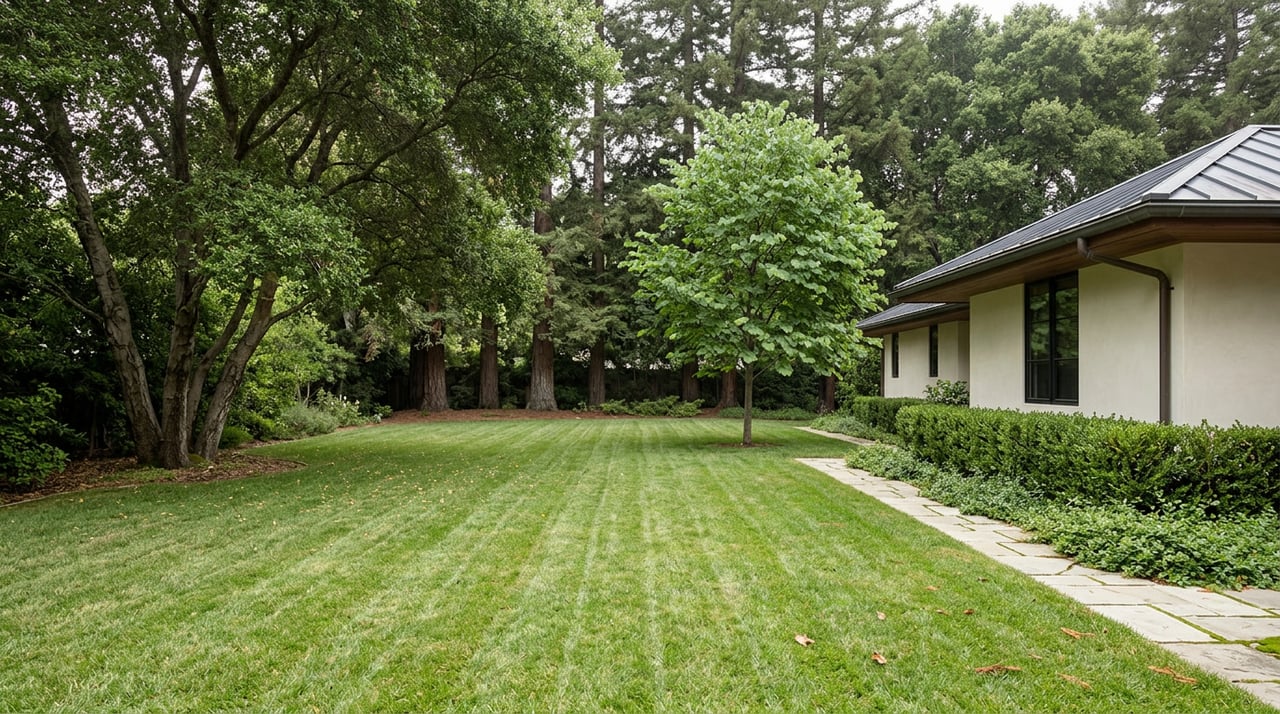
Barron Park is one of the city’s most distinctive neighborhood environments. City planning materials describe a rural character shaped by abundant trees, rambling narrow streets, and the absence of curb, gutter, and sidewalk in many places, while later city review materials note many older prewar and postwar homes on large, lush lots and the presence of Eichler homes in parts of the area in this city planning document.
If you are looking for a less formal street pattern and a setting that feels more open or relaxed, Barron Park often rises to the top of the list. It is one of the clearest examples in Palo Alto of a neighborhood where lot feel and streetscape shape the lifestyle as much as the homes themselves.
Midtown and North Ventura are a little more mixed in character. City materials describe Midtown as an area with both single-family and multi-family uses, with nearby services such as Midtown Shopping Center and Hoover Park, while a 2019 city memo says North Ventura includes many older detached single-family homes, mostly built before 1950, alongside office, retail, and other residential uses in nearby corridors in the existing conditions report.
These areas can make sense if you want a single-family home while staying close to neighborhood-serving retail and daily conveniences. They may be especially worth considering if your priorities include access to parks, shopping, and transportation over a purely uniform residential setting.
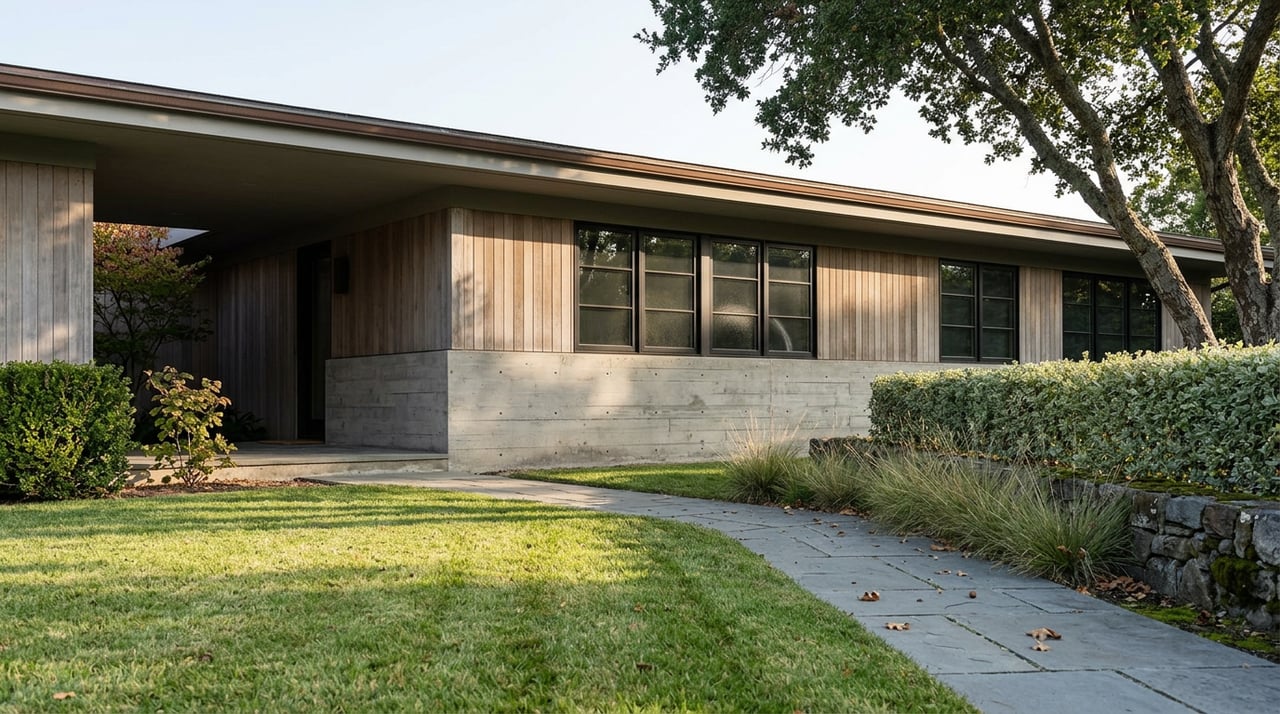
If your search is driven by design, layout, and one-story living, Palo Alto has several neighborhoods that stand apart from the historic core. The city specifically identifies Southgate and the Eichler neighborhoods of Greenmeadow or Green Gables and Charleston Meadows as key mid-century-oriented options in the historic survey.
Southgate is a single-family neighborhood bounded by the railroad, Park Boulevard, El Camino Real, and Churchill Avenue. The city describes it as a 1923 to 1950s neighborhood with stucco-clad homes and a mix of period-revival, ranch, and modern styles in the city survey.
For buyers who want an established single-family neighborhood with some architectural range, Southgate offers a middle ground between purely historic districts and more distinctly mid-century tracts.
Palo Alto’s Eichler neighborhoods are especially notable if you are focused on single-story homes and a clear design identity. The city’s Eichler guidance describes Greenmeadow or Green Gables and Charleston Meadows as one-story neighborhoods where privacy and scale are core characteristics, as cited in the historic preservation findings.
These neighborhoods can appeal to buyers who value clean lines, mid-century planning, and a more consistent neighborhood form. If one-story living is high on your list, these areas deserve focused attention.
When you compare neighborhoods, it helps to think beyond the house itself. Palo Alto’s parks, libraries, and retail districts can shape how convenient and enjoyable daily life feels.
The city’s park inventory highlights several major park anchors, including Rinconada Park, Mitchell Park, Bol Park, Hoover Park, Briones Park, Greer Park, and Robles Park. Those locations make it easier to think about north-central Palo Alto, Midtown, Barron Park, and south Palo Alto as different park-access stories rather than a single citywide experience.
Libraries also add to neighborhood identity. Mitchell Park Library is part of a joint library and community center facility, while College Terrace Library serves the College Terrace area, giving buyers another useful lens for understanding local amenities.
Retail access is another major differentiator. Caltrain notes that Palo Alto Station sits one block east of downtown Palo Alto and about a quarter-mile from Stanford Shopping Center, while California Avenue Station serves the California Avenue shopping and dining district and its farmers’ market in the Caltrain destination guide. City zoning materials also identify Midtown Shopping Center, Charleston Shopping Center, and Edgewood Plaza as neighborhood centers that primarily serve nearby residents.
Commute needs can quickly narrow your shortlist. Palo Alto and California Avenue are both in Zone 3 on Caltrain, and the city describes the Palo Alto Transit Center as the city’s mobility hub, with a 2024 staff report noting connections from SamTrans, VTA, AC Transit, Dumbarton Express, and Stanford Marguerite, plus roughly 600 buses serving the transit center daily in the stations and zones guide.
If train or bus access matters, neighborhoods near downtown Palo Alto or California Avenue may deserve extra attention. The city also describes a fare-free Palo Alto Shuttle system that has historically supported last-mile connections in the Palo Alto transit vision document, although route details should always be checked separately before relying on them.
Bike access is another practical factor. The city’s bicycle and pedestrian plan identifies Bryant Street as a key connection from downtown to Old Palo Alto and southern neighborhoods, while the North California Avenue bikeway is described as an important east-west link to the California Avenue business district in the bicycle transportation plan.
If you are trying to turn a broad Palo Alto search into a manageable list, a practical framework is to sort neighborhoods by how you want the area to feel. Based on the city sources, you can think about your options like this:
This framework is an informed synthesis of city descriptions rather than an official city classification. Still, it is a useful way to compare homes that may all be in Palo Alto but offer very different strengths.
The best Palo Alto neighborhood for a single-family home depends on what matters most to you: architectural character, lot feel, one-story design, proximity to retail, access to parks, or an easier commute setup. In a market this nuanced, the smartest decisions usually come from matching the property to your daily priorities, long-term plans, and comfort with a home’s condition, layout, and improvement potential.
If you want experienced guidance as you compare Palo Alto neighborhoods and assess which homes truly fit your goals, Bob Kamangar offers the kind of detailed, strategic perspective that can make complex decisions clearer.
Stay up to date on the latest real estate trends.
Rooted in trust, expertise, and sincere dedication, Bob brings a lifelong appreciation of what “home” means to every client and every move.