Los Altos Hills Estate Living: Compare Nearby Options
May 7, 2026
May 7, 2026
If you are drawn to privacy, land, and a home that feels set apart from the pace of everyday life, Los Altos Hills likely stands out for a reason. But estate living here comes with a very specific lifestyle, and it is not the right fit for everyone. If you are comparing Los Altos Hills with nearby options, this guide will help you understand what defines the market, what tradeoffs matter most, and which nearby communities may better match the way you want to live. Let’s dive in.
Los Altos Hills was incorporated to preserve a semirural, residential-agricultural pattern, and that purpose still shapes the town today. The town spans about 9 square miles, has no commercial activity, and remains one of the smallest incorporated towns in Santa Clara County. That framework is a big reason the area feels distinct from more typical residential markets nearby.
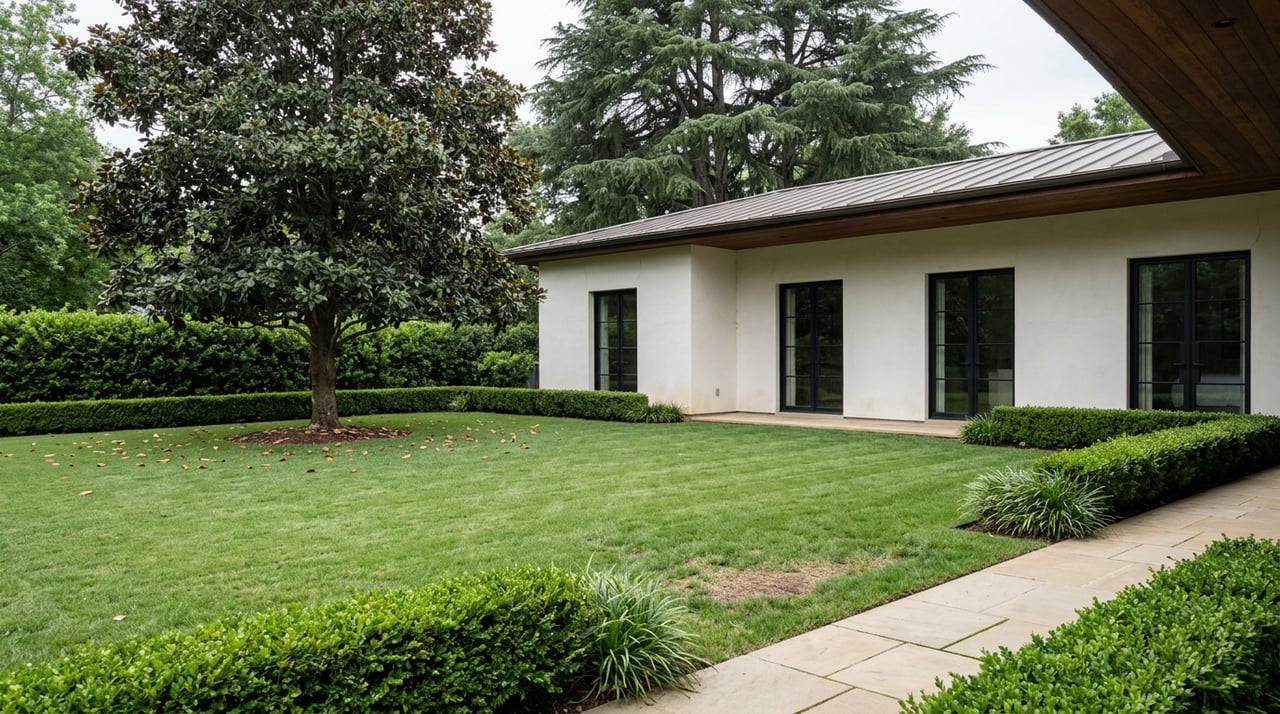
The estate character starts with land. Los Altos Hills has a 1-acre minimum lot size, allows one primary single-family dwelling per parcel, and 98.2% of its housing stock is detached single-family homes. In practical terms, that means you are usually looking at a market built around separation, scale, and custom residential use rather than dense streets of similar homes.
Home size also reflects that pattern. The town ties maximum floor area to lot size and slope, and on a relatively flat 1-acre lot, the maximum is typically 6,000 square feet. The housing element identifies estate homes as buildings of 10,000 square feet or more, which helps explain why buyers often think about this market in terms of compounds, custom construction, and long-term property value.
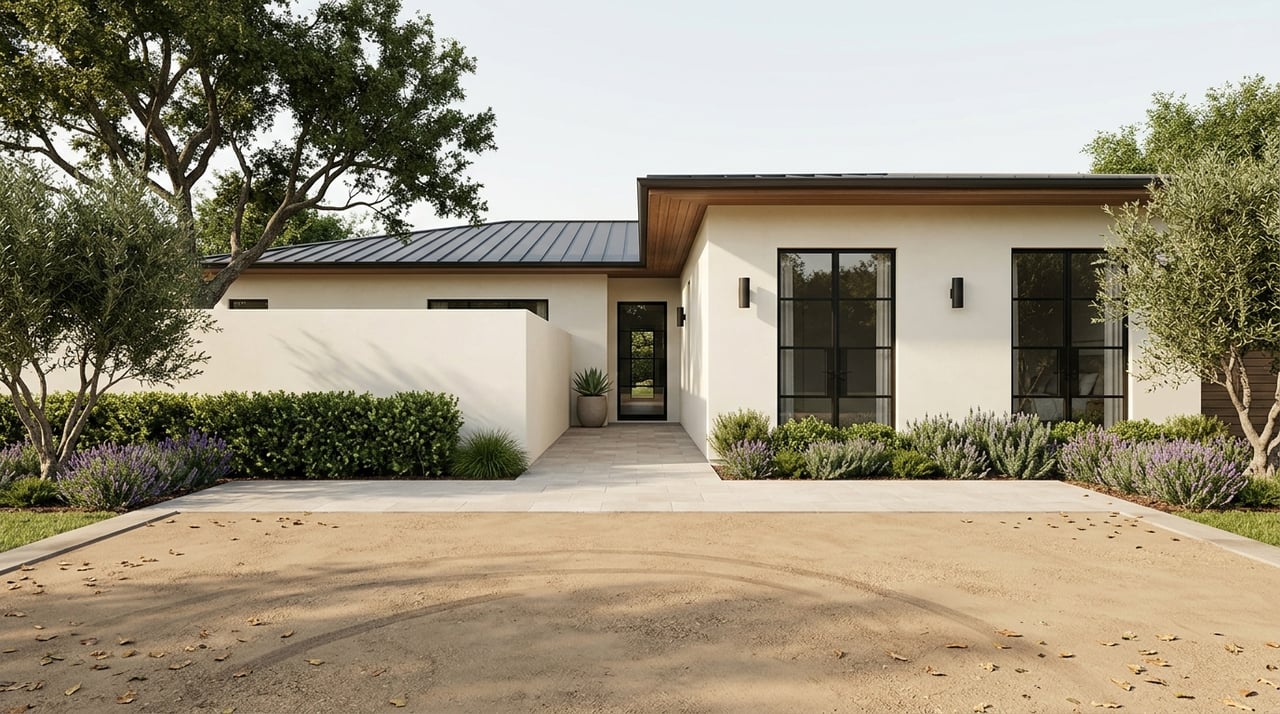
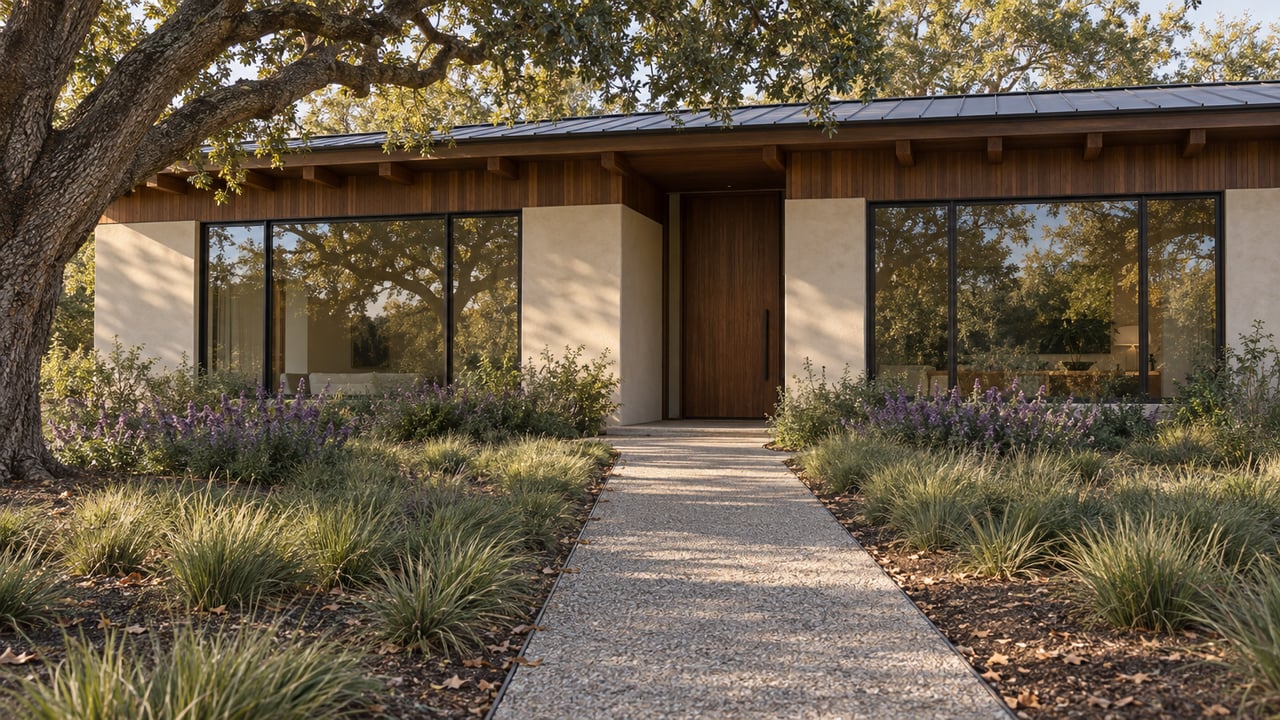
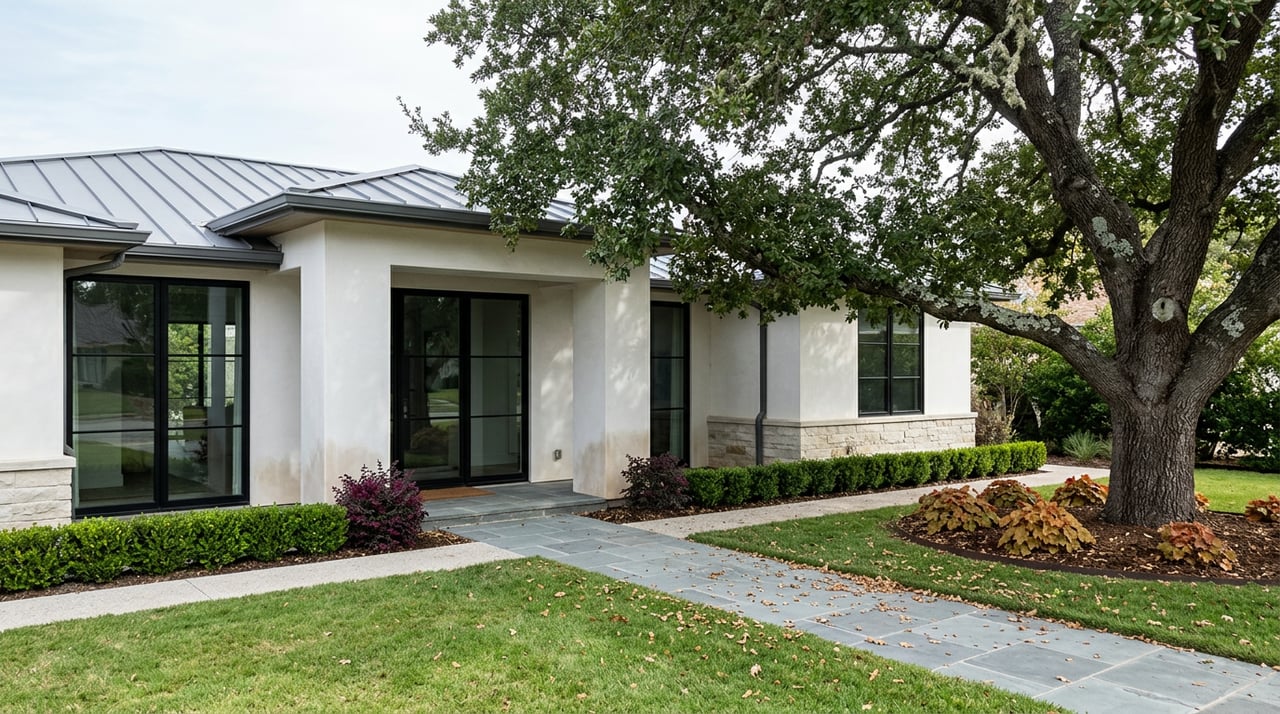
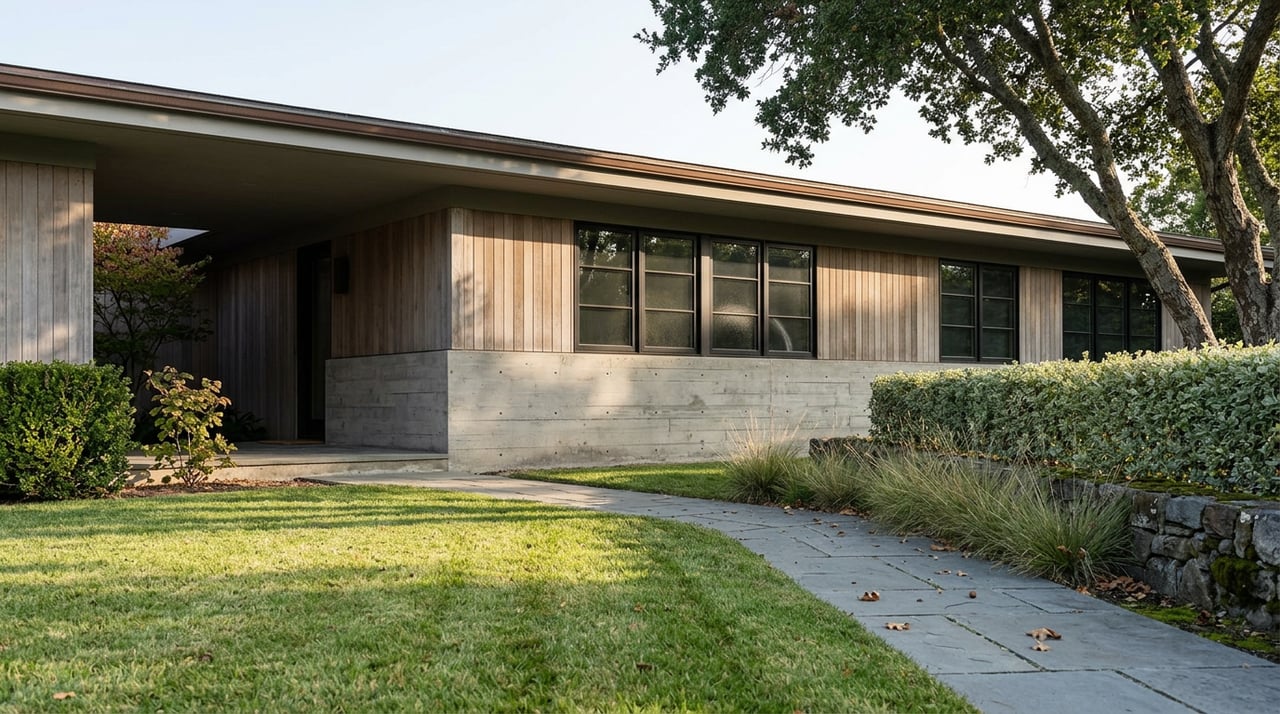
One of the more interesting features of Los Altos Hills is that the town does not use formal architectural review to force a specific design style. Instead, that approach encourages variety and individual expression. As a result, you are more likely to see one-off homes shaped by site conditions and owner preferences rather than a repeated neighborhood look.
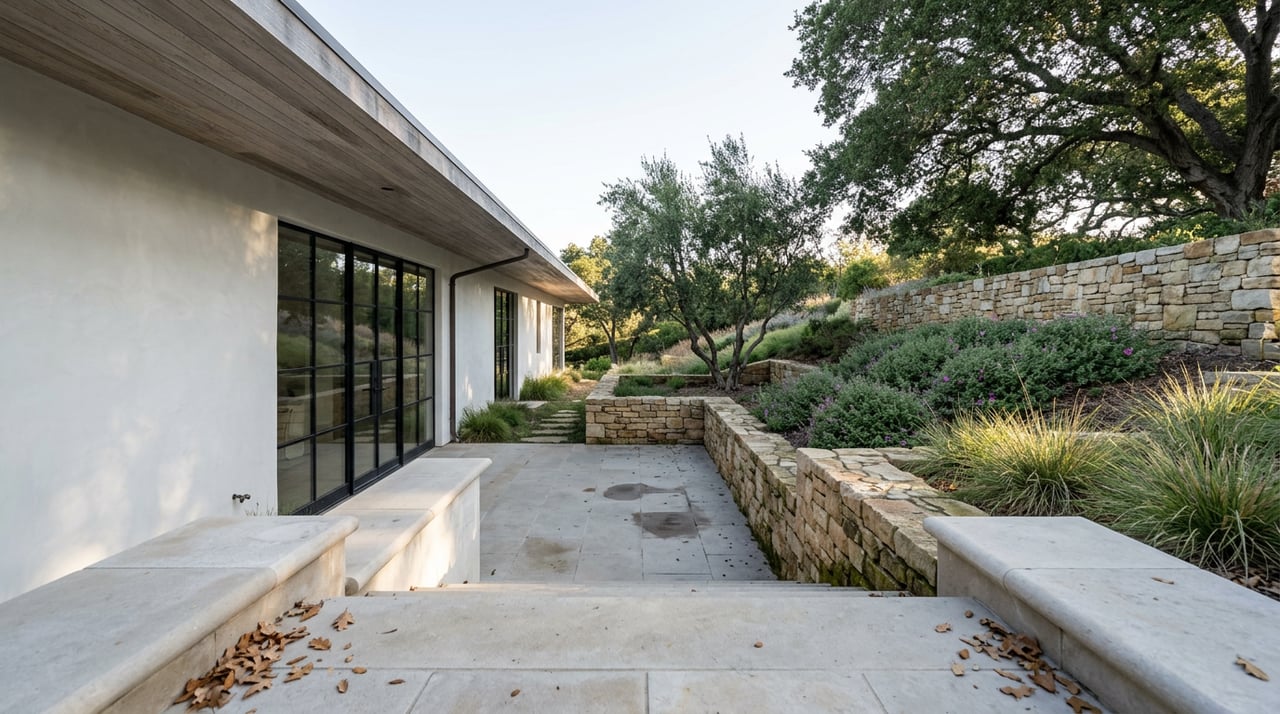
That said, development is not a free-for-all. The town’s site-development review process still considers factors like views, creeks, watersheds, ridgelines, open space, and pathways. For buyers, that means the setting matters as much as the structure, and understanding how a home sits on its land can be just as important as square footage or finishes.
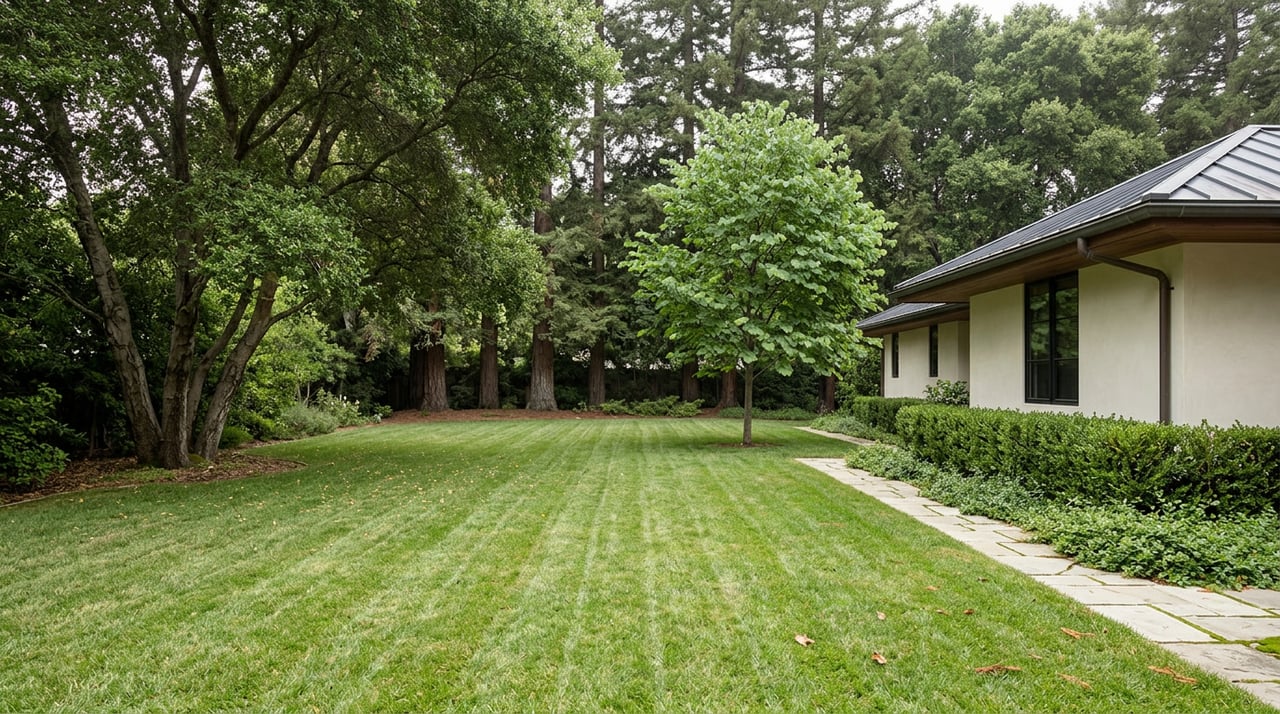
A major part of Los Altos Hills living is the feeling of openness. The town directly ties its large-lot philosophy to preserving open space, and much of the open setting residents experience is privately owned and maintained. That creates a sense of visual breathing room that is hard to replicate in more built-up communities.
The surrounding landscape adds to that appeal. The town highlights assets such as Byrne Preserve, adjacent Mid-Peninsula Regional Open Space District lands, and Rancho San Antonio County Park. Westwind Community Barn also adds an equestrian dimension that many buyers associate with the area’s semirural identity.
The pathway system is another defining feature. Los Altos Hills describes roughly 80 miles of paths and trails designed for safe, convenient non-vehicular travel, connecting neighborhoods with surrounding open space. Walkers, runners, bicyclists, and horseback riders all use the system, which means the outdoor experience here is not just scenic, but part of everyday living.
Estate living in Los Altos Hills offers clear benefits, but it also asks you to value certain things over convenience. Because the town has no commercial activity, your dining, shopping, and day-to-day errands typically happen in nearby communities like Los Altos, Palo Alto, Portola Valley, or Woodside. For many buyers, that is an acceptable trade for privacy, views, and land. For others, it can feel less practical over time.
Wildfire planning is another important ownership consideration. The town identifies wildfire as one of its primary threats and notes that most roads are two lanes and not very wide, which makes evacuation planning an important part of living here. Santa Clara County Fire’s updated 2025 Local Responsibility Area fire-hazard maps were based on factors such as fuel loading, slope, fire weather, and related conditions.
There is also some added flexibility under state law, but the town’s overall character remains intact. Los Altos Hills states that SB 9 applies to qualifying single-family parcels and allows ministerial review of certain additional units and lot splits. Even so, the housing element continues to emphasize preserving the town’s semirural character, so buyers should not assume the core development pattern is changing in a major way.
Los Altos Hills tends to fit buyers who place a premium on privacy, larger parcels, scenic separation, and custom-home potential. If you want a home that feels removed from commercial activity and more connected to landscape and open space, this setting can be hard to match nearby. It also appeals to buyers who value the long-term flexibility and presence that often come with estate-scale land.
At the same time, this market usually works best when you enter it with a clear understanding of property-specific details. Lot conditions, slope, access, site planning, and improvement potential can all shape how a property functions over time. In a market like this, broad impressions are not enough. You need to evaluate each home and parcel carefully.
If you love the general area but are not sure Los Altos Hills is the right day-to-day fit, several nearby communities offer different versions of luxury living. The best choice depends on how you balance privacy, convenience, and community structure.
Los Altos is often the most direct alternative for buyers who want a prestigious address with a more immediate village atmosphere. The city describes itself as having tree-lined streets, a small village feel, and seven small retail districts. Compared with Los Altos Hills, Los Altos usually offers easier access to shops and services without moving fully into a more urban environment.
If your goal is a refined residential setting with a stronger sense of a town core, Los Altos may feel more balanced. You still get an established Mid-Peninsula location, but with more built-in convenience. That can make a difference if you want luxury without as much separation from daily amenities.
Palo Alto is the clearest contrast if you want activity, access, and a stronger urban rhythm. The city identifies University Avenue as the focal point of downtown and a destination for shopping, dining, and entertainment. It also notes broader community assets including 36 parks, 41 miles of walking and biking trails, five libraries, and nearly 100,000 jobs.
For some buyers, that mix is the point. If you want a premium address with strong amenity access and more day-to-day convenience, Palo Alto may be a better fit than Los Altos Hills. The lifestyle is simply different, with less seclusion and more energy.
Portola Valley appeals to many buyers who want rural character but also appreciate a more centralized town structure. Its Town Center includes a library, community hall, playing fields, Town Hall, and maintenance facilities. That gives the community a more organized and self-contained feel while still maintaining a low-density setting.
Compared with Los Altos Hills, Portola Valley may feel slightly more anchored around shared civic space. If you like the idea of privacy and open surroundings but want a clearer town center presence, it is worth a close look.
Woodside leans strongly into a village-and-equestrian identity. The town says its Town Center spans about 17 acres and serves as a village hub with a grocery store, hardware store, restaurants, shops, offices, and Town Hall. That creates a more visible center of activity than you will find in Los Altos Hills.
For buyers who want rural character without giving up a recognizable local hub, Woodside can be appealing. It offers a different blend of privacy and convenience, with community activity more concentrated in a central area.
A simple way to frame these options is to start with your daily habits, not just your wish list. If land, privacy, and scenic separation are at the top of your priorities, Los Altos Hills often rises to the top. If you want a nearby village core, Los Altos usually becomes the obvious comparison.
If convenience, restaurants, and a more active urban setting matter most, Palo Alto may be the better answer. If you want rural character with a more defined town-center experience, Portola Valley and Woodside deserve serious consideration. The right choice is less about which town is best in general and more about which one fits the way you actually want to live.
In estate markets, the difference between two homes can be much bigger than the photos suggest. A parcel’s slope, layout, pathway adjacency, site constraints, access, and improvement potential can all influence value and livability. That is especially true in Los Altos Hills, where the land itself is a central part of the purchase.
This is where practical guidance becomes important. When you are comparing homes across Los Altos Hills, Los Altos, Palo Alto, Portola Valley, and Woodside, you need more than a quick market tour. You need a clear view of how each property functions today and what it may require or allow over time.
If you are thinking about buying or selling in Los Altos Hills or comparing it with nearby luxury markets, working with an advisor who understands valuation, property condition, preparation, and negotiation can help you move with more confidence. To start that conversation, connect with Bob Kamangar.
Stay up to date on the latest real estate trends.
Rooted in trust, expertise, and sincere dedication, Bob brings a lifelong appreciation of what “home” means to every client and every move.