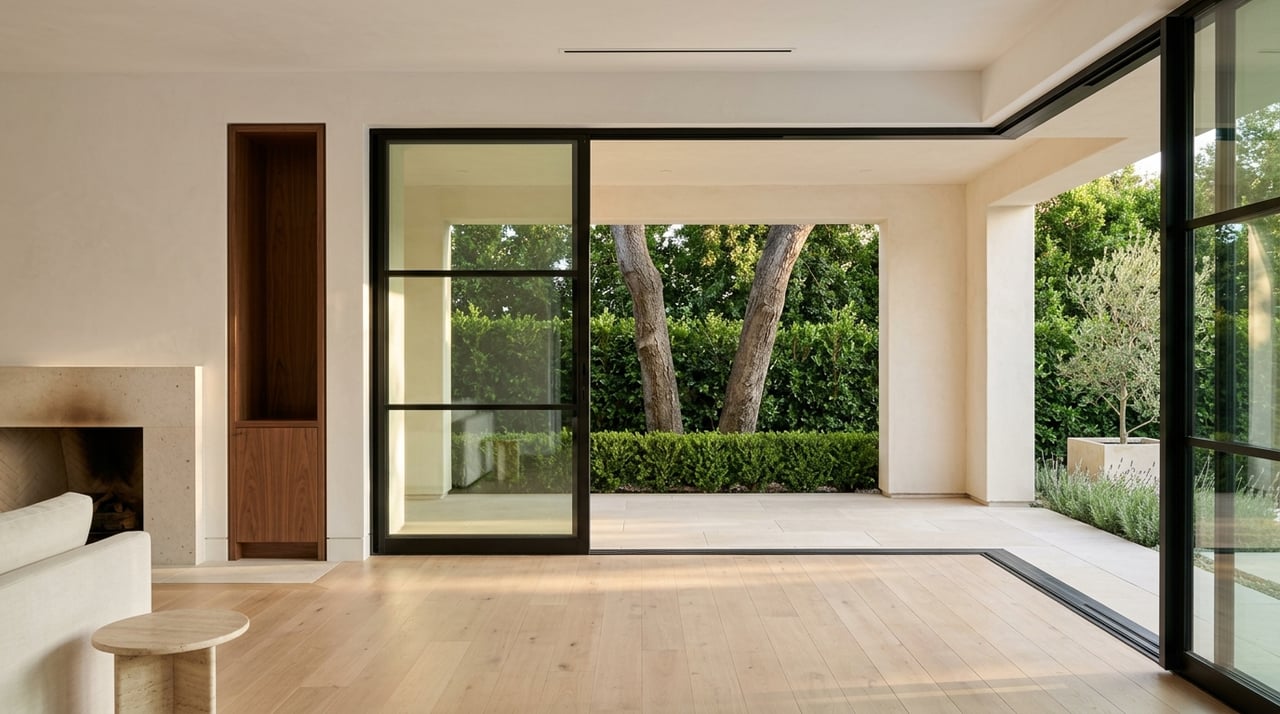
What Sellers Can Expect With an Atherton Luxury Home Listing
April 23, 2026
April 23, 2026
If you are thinking about listing a home in Atherton, you are not stepping into a typical suburban market. You are entering a small, high-value market where inventory is limited, buyer expectations are high, and details matter from day one. The good news is that with the right preparation, pricing strategy, and showing plan, you can move forward with more clarity and confidence. Let’s dive in.
Atherton is a very small town, with an estimated population of 7,022 residents as of July 1, 2024. That small size helps explain why the market often behaves like a luxury micro-market rather than a broad, predictable resale market.
In practical terms, that means every listing can feel highly specific. A handful of properties can influence monthly trends, and one estate-level sale can shift the numbers in a meaningful way. If you are listing in Atherton, it is important to expect a more tailored process than you would in a larger market.
Recent market snapshots show how thin and expensive the Atherton market is. In February 2026, Realtor.com reported 16 active listings, a median listing price of $12.0M, median days on market of 19, and a sale-to-list ratio of 98%. In March 2026, Redfin reported a median sale price of $14.8M, median days on market of 9, and a sale-to-list ratio of 103.3%.
Those numbers are not directly comparable, but they tell you something important. Atherton pricing and timing can swing quickly because there are so few transactions. That is why sellers benefit from strategy that goes beyond broad averages and focuses on the specific property, current competition, and likely buyer pool.
Even within town, pricing can vary significantly. For example, Realtor.com’s February 2026 snapshot placed West Atherton’s median listing price at $19.084M, well above the townwide median listing price.
Many sellers first ask a simple question: how fast will my home sell? The answer is that the market-facing part can be quick, but the full process usually takes longer than the days-on-market number alone suggests.
Redfin describes Atherton as somewhat competitive, noting that some homes receive multiple offers. Its snapshot says average homes sell about 2% above list price and go pending in about 21 days, while hot homes can sell about 5% above list price and go pending in about 10 days.
That gives you a useful benchmark, but pending is not the same as closed. You still need to account for disclosures, buyer due diligence, contingencies, escrow, and financing if the buyer is not paying all cash. A well-prepared listing may move quickly, but you should plan for the full sale timeline, not just the launch.
In a luxury market, buyers tend to notice the details. Condition, presentation, and documentation can all influence pricing power and negotiation strength.
Before your home goes live, expect to spend time on the basics that support a strong first impression:
According to the National Association of Realtors 2025 Profile of Home Staging, 29% of agents said staging increased the dollar value buyers offered by 1% to 10%, and 49% of sellers’ agents said staging reduced time on market. The most commonly staged rooms were the living room, primary bedroom, dining room, and kitchen.
That same report found buyers’ agents rated photos, traditional staging, videos, and virtual tours as highly important. In Atherton, where presentation standards are often elevated, a polished visual package can help your property stand out before the first showing even happens.
California sellers need to take disclosures seriously. Under California Civil Code Section 1102.3, the completed written disclosure must be delivered as soon as practicable before transfer of title.
Timing matters. If a disclosure or material amendment is delivered after the offer is accepted, the buyer may have 3 days after in-person delivery or 5 days after mail or electronic delivery to terminate.
That is one reason strong listing preparation matters. If key condition issues surface late, they can create friction during escrow or give the buyer more room to reconsider.
The California Department of Real Estate explains that a buyer’s agent has a legal duty to visually inspect the property and disclose readily observable defects. The same guidance notes that disclosures should identify special taxes, assessments, and other factors that may materially affect value or desirability.
For you as a seller, that means deferred maintenance, aging systems, and unclear condition items can become negotiation points early. In a market like Atherton, a turn-key home may attract stronger terms, while a home with unresolved issues may lead to repair requests, credits, or longer contingency periods.
This is where experienced preparation can make a meaningful difference. A thoughtful pre-market plan can help you decide what to repair, what to disclose clearly, and what to price for in advance.
Many Atherton sellers value discretion, and there are ways to build privacy into the listing strategy. The National Association of Realtors consumer guidance notes that MLS exposure helps reach the largest pool of serious buyers, but sellers may also consider privacy-oriented options such as office exclusive or delayed marketing exempt listings where local rules allow.
That does not mean every seller should limit exposure. It means you can weigh visibility against privacy based on your goals. Some sellers want maximum reach right away, while others want more control over who sees the property and when.
Privacy also applies inside the home. NAR recommends removing personal items and sensitive materials such as family photos, mail, calendars, documents, jewelry, medications, and firearms. It also advises discouraging unapproved photography during showings.
In a luxury listing, showings are typically more structured than casual. According to NAR’s safe listing guidance, sellers can limit access to pre-qualified or properly identified buyers, and electronic lockboxes can track who enters and when.
That supports a more controlled access plan, which is often a good fit in Atherton. Rather than creating unnecessary traffic through the property, you can expect a process designed to balance serious buyer access with privacy and security.
When offers come in, the highest number is not always the strongest outcome. The Department of Real Estate identifies common contingencies such as loan, repair, pest inspection, home inspection, and home warranty terms.
For sellers, those are often the real leverage points alongside price. A strong offer may include favorable timing, fewer contingencies, or fewer opportunities for renegotiation after inspections.
In Atherton, where inventory is limited, a well-priced and well-prepared home may draw quick or competitive offers. But if the property has condition concerns, expect buyers to look closely at inspections, credits, and contingency periods. The cleaner the preparation, the more straightforward negotiations can feel.
Once you accept an offer, the process moves into escrow. The California Department of Real Estate escrow overview notes that in Northern California, escrow is most often handled by a title insurance company. The title company searches ownership history and liens or encumbrances, while escrow helps finalize paperwork and transfer funds once contract conditions are met.
If the buyer is financing the purchase, the lender must provide the Closing Disclosure at least three business days before closing. That review period is built into the final stretch of the transaction, so even smooth escrows require careful timing.
For sellers, it helps to think of closing as an administrative phase with real financial consequences. Details that seem minor at listing can affect timing and proceeds later.
One of the biggest misconceptions in a high-end sale is assuming the contract price equals what you will take home. In reality, your net proceeds depend on several line items that should be reviewed early.
San Mateo County charges a documentary transfer tax of $1.10 per $1,000 of value, due when the deed is recorded. The county also notes that recorded documents become part of the public record. Atherton separately includes a municipal document transfer tax chapter, so exact transfer-tax charges should be confirmed for the specific transaction rather than assumed.
California withholding can also matter. The Franchise Tax Board states that buyers may have to withhold 3⅓% of the sales price unless an exemption applies or an alternative calculation is certified. Trust-held property is one example of a situation that can trigger withholding rules.
Beyond taxes, title and escrow charges, recording fees, and any repair credits can all affect your final number. In other words, headline price is important, but your net sheet is what tells the real story.
If you want a practical picture of what to expect, the process usually includes these stages:
In a market as nuanced as Atherton, this process benefits from hands-on guidance. That is especially true when the property needs prep, repair decisions, or thoughtful positioning before launch.
A seller in this market often benefits from an advisor who can look at the home not just from a marketing perspective, but also from a construction, disclosure, and negotiation perspective. That kind of integrated planning can help you reduce surprises, protect value, and make better decisions at each step.
If you are preparing to sell in Atherton and want a strategic, detail-oriented plan, Bob Kamangar can help you evaluate the property, prepare it for market, and navigate the listing process with discretion and clarity.
Stay up to date on the latest real estate trends.





Rooted in trust, expertise, and sincere dedication, Bob brings a lifelong appreciation of what “home” means to every client and every move.