Your Guide to the Portola Valley Lifestyle
May 14, 2026
May 14, 2026
Looking for a place that feels tucked away without feeling cut off? Portola Valley stands out for exactly that balance. If you want trails outside your door, a quieter daily rhythm, and practical access to essentials, this guide will help you understand what living here is really like. Let’s dive in.
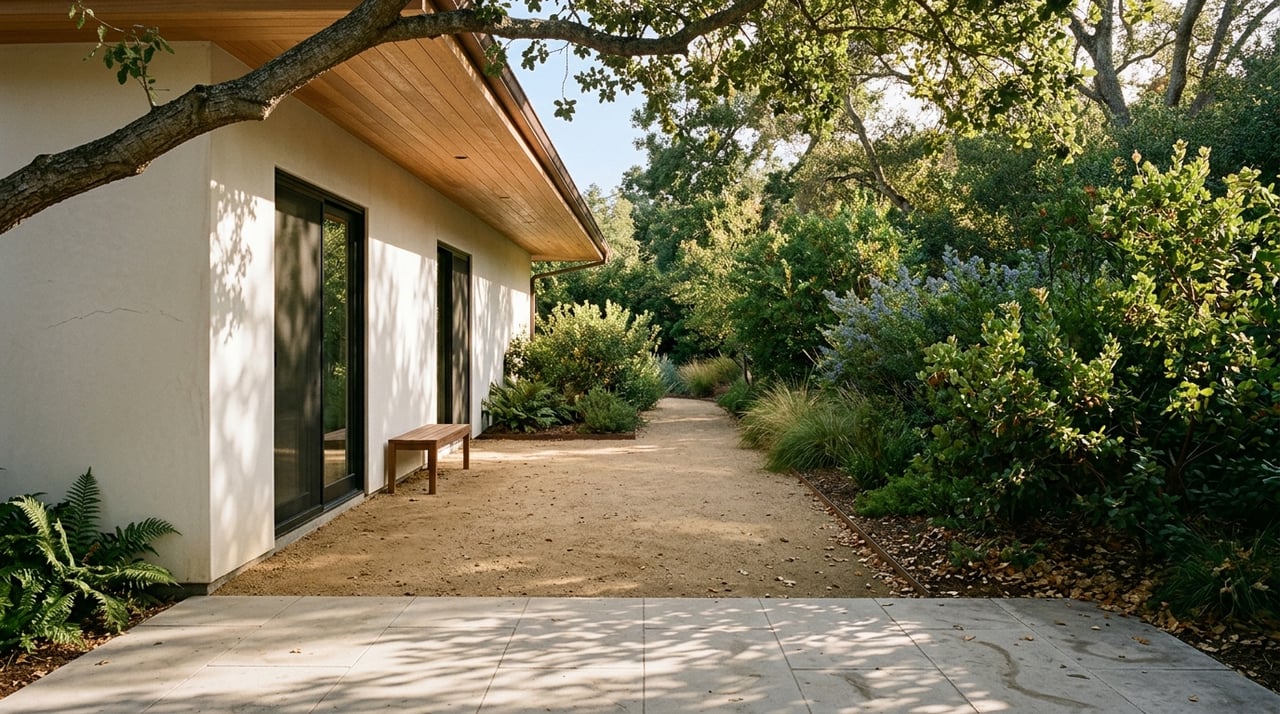
Portola Valley is a small town of about 4,500 residents spread across 9.1 square miles, just west of Stanford University. The town describes itself as a place of wooded hills, scenic roads, open space, and natural views, with commercial activity kept limited to what meets residents’ needs. That planning approach helps shape the calm, low-key character many buyers notice right away.
Privacy here is not just about larger lots or tree cover. It is part of the town’s planning culture. Portola Valley’s own materials point to low-density residential development, strong zoning regulations, and architectural guidelines that emphasize blending in rather than standing out.
That matters if you are comparing Portola Valley with more built-up Peninsula communities. The feeling here is intentionally quieter and more rural in tone. For many buyers, that sense of retreat is one of the town’s biggest draws.
In Portola Valley, outdoor access is not an extra perk. It is built into the way the town functions. The town says it has nearly the same number of miles of trails as roads, which gives you a sense of how central the trail network is to daily life.
These routes support hikers, bikers, and equestrians, and many were laid out and maintained for years by volunteers. That history says a lot about the community’s long-term commitment to open space. It also helps explain why the trail system feels like a real part of town life rather than a backdrop.
Residents have preserved roughly 1,900 acres of open space within town boundaries. Local open-space areas include Dorothy Ford Park, Spring Down, Herb Dengler, Shady Trail, Coal Mine Ridge and Blue Oaks Trails, and Frog Pond. That amount of preserved land supports the town’s natural feel and helps protect the open views and wooded character people associate with Portola Valley.
This preservation effort also reinforces the town’s sense of privacy. Open land creates breathing room between homes, roads, and activity areas. For buyers who value space and a less crowded setting, that can be a meaningful advantage.
Windy Hill Preserve is one of the clearest examples of the Portola Valley lifestyle. According to Midpen, the preserve covers 1,414 acres and includes open grassland ridges along with redwood, fir, and oak forests. It is open daily from a half-hour before sunrise to a half-hour after sunset.
For many residents, access to places like Windy Hill is part of what makes the town special. It supports a lifestyle where nature is woven into your routine. Whether you prefer a quiet morning walk or a longer weekend outing, the surrounding landscape becomes part of how you live.
Portola Valley’s trail network also serves practical purposes. The town publishes a Safe Routes to School map that connects schools, Town Center, and Ford Field. That tells you these routes are not just for scenic weekends. They are part of the town’s everyday movement pattern.
The trail system is also actively managed. In early 2026, the town announced that the Larry Lane Trail complex reopened for equestrian use. That kind of update reflects an ongoing commitment to keeping the network useful and relevant.
A lot of places claim privacy. In Portola Valley, that feeling is supported by policy as much as geography. The town’s land-use approach, open-space preservation, scenic corridor protections, and design expectations all work together to maintain a quieter environment.
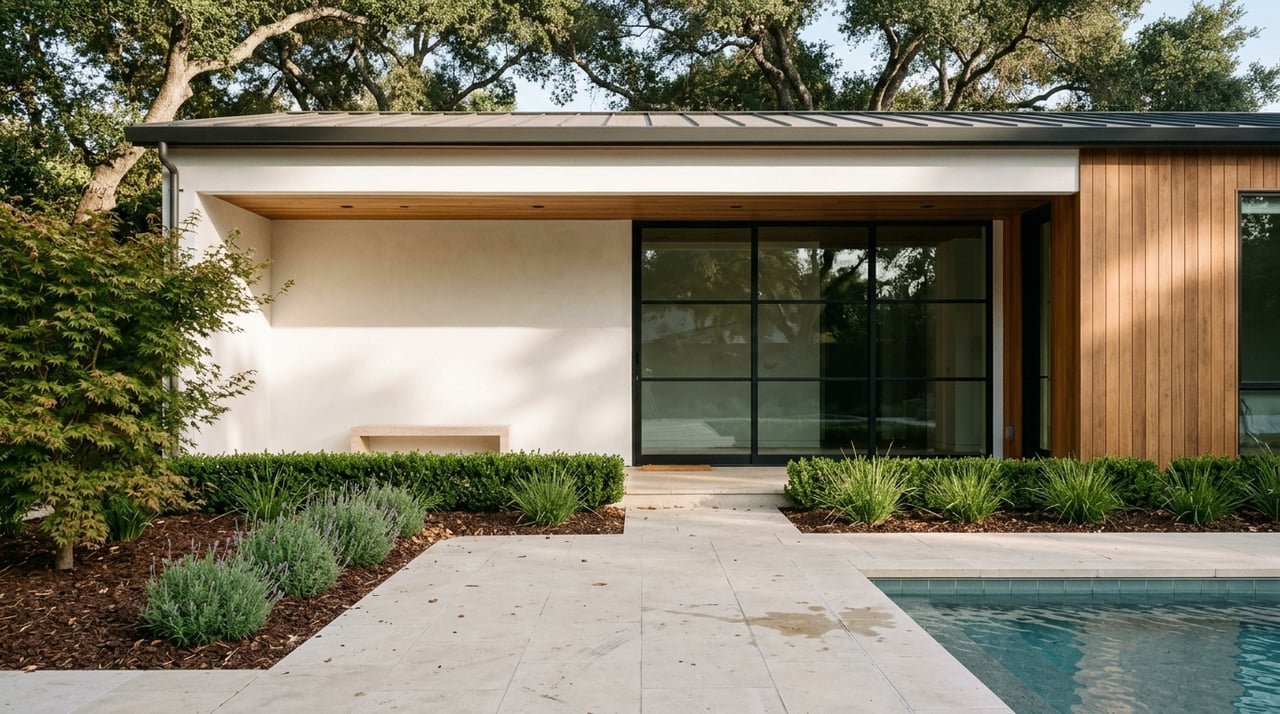
If you are touring homes here, you may notice that the setting often feels understated rather than showy. That lines up with the town’s architectural guidance, which stresses blending into the landscape. The result is a community where the natural setting tends to take the lead.
For buyers in the luxury market, this can be especially appealing. Privacy here often feels more organic than manufactured. It comes from the town’s overall design philosophy, not just gates or hedges.
Portola Valley is convenient, but not in the usual retail-heavy way. If you are expecting a dense downtown or a long commercial strip, that is not the model here. Instead, convenience is organized around civic spaces, local services, and a small but practical business mix.
That distinction is important when deciding whether the town fits your lifestyle. You can handle many day-to-day needs locally, but Portola Valley is intentionally not a full-service retail center. Larger shopping and broader services remain part of the wider Peninsula experience.
Town Center serves as the civic heart of Portola Valley. The campus includes a county library with wi-fi, Community Hall, recreation fields, Town Hall, and the Historic Schoolhouse, which still serves as the meeting chamber for council, commission, and committee meetings.
The town calendar also shows a weekly farmers market every Thursday in the Schoolhouse parking lot. That adds a steady local rhythm to the week and gives residents another way to stay connected close to home. It is a good example of how convenience here often comes through community-centered places rather than major retail destinations.
The town’s local business listings show a practical range of everyday services. These include a grocery store, hardware store, deli, restaurants, dry cleaner, auto repair, salon, medical offices, fitness services, and equestrian businesses.
For many households, that means a meaningful share of regular errands can happen in or near town. You may still leave the area for bigger shopping trips or specialized services, but daily life does not have to feel inconvenient. In Portola Valley, ease comes from smart local access, not retail volume.
The town’s general plan describes the Portola Road corridor as the heart of Portola Valley. It links commercial, institutional, recreational, and natural resources along a scenic route. That gives the town a different kind of structure than communities built around a compact downtown.
This corridor helps explain why Portola Valley can feel both peaceful and functional. Instead of clustering activity in one dense center, the town organizes daily life along a roadway that connects key destinations. That layout supports the area’s rural ambiance while still making local movement manageable.
For buyers, this often translates into a lifestyle that feels calm but not disconnected. You are not living in a place built for constant commercial activity. You are living in a place designed to preserve quiet while still supporting daily routines.
One of the strongest points in Portola Valley’s favor is that it feels secluded without being hard to navigate day to day. The town’s planning materials identify Alpine Road and Portola Road as scenic roads, with Alpine Road also functioning as a transportation corridor. Portola Road is described as a main arterial that also supports walking, biking, and horse trails.
Part of Highway 280 also lies within the town’s planning area and sphere of influence. That road framework helps support practical regional access. In simple terms, Portola Valley offers a nature-first setting while still connecting to the broader Peninsula.
That balance is a major reason the town appeals to both long-time Peninsula buyers and relocation clients. You can enjoy a more private environment without giving up the ability to move through the region. For many people, that is the sweet spot.
Portola Valley tends to appeal to buyers who value space, scenery, and a more protected setting. If your ideal day includes quiet roads, mature trees, trail access, and a less commercial atmosphere, the town offers a very specific kind of lifestyle. It is not trying to be busy or urban, and that is part of its appeal.
At the same time, it helps to be clear-eyed about the tradeoff. Portola Valley supports many everyday needs locally, but it is intentionally limited in commercial scale. If you want constant retail choices close at hand, you may prefer a different Peninsula setting.
For the right buyer, though, that tradeoff feels like a strength. You get a town shaped around open space, privacy, and local convenience in a setting that remains closely connected to the Mid-Peninsula. That combination is rare, which is one reason Portola Valley continues to stand out.
If you are considering a move to Portola Valley, it helps to evaluate not just the home itself, but how the property fits your routine, priorities, and long-term goals. With nuanced markets like this one, local insight matters. If you want thoughtful guidance on Portola Valley homes and lifestyle fit, connect with Bob Kamangar.
Stay up to date on the latest real estate trends.
Rooted in trust, expertise, and sincere dedication, Bob brings a lifelong appreciation of what “home” means to every client and every move.